
 Pin it
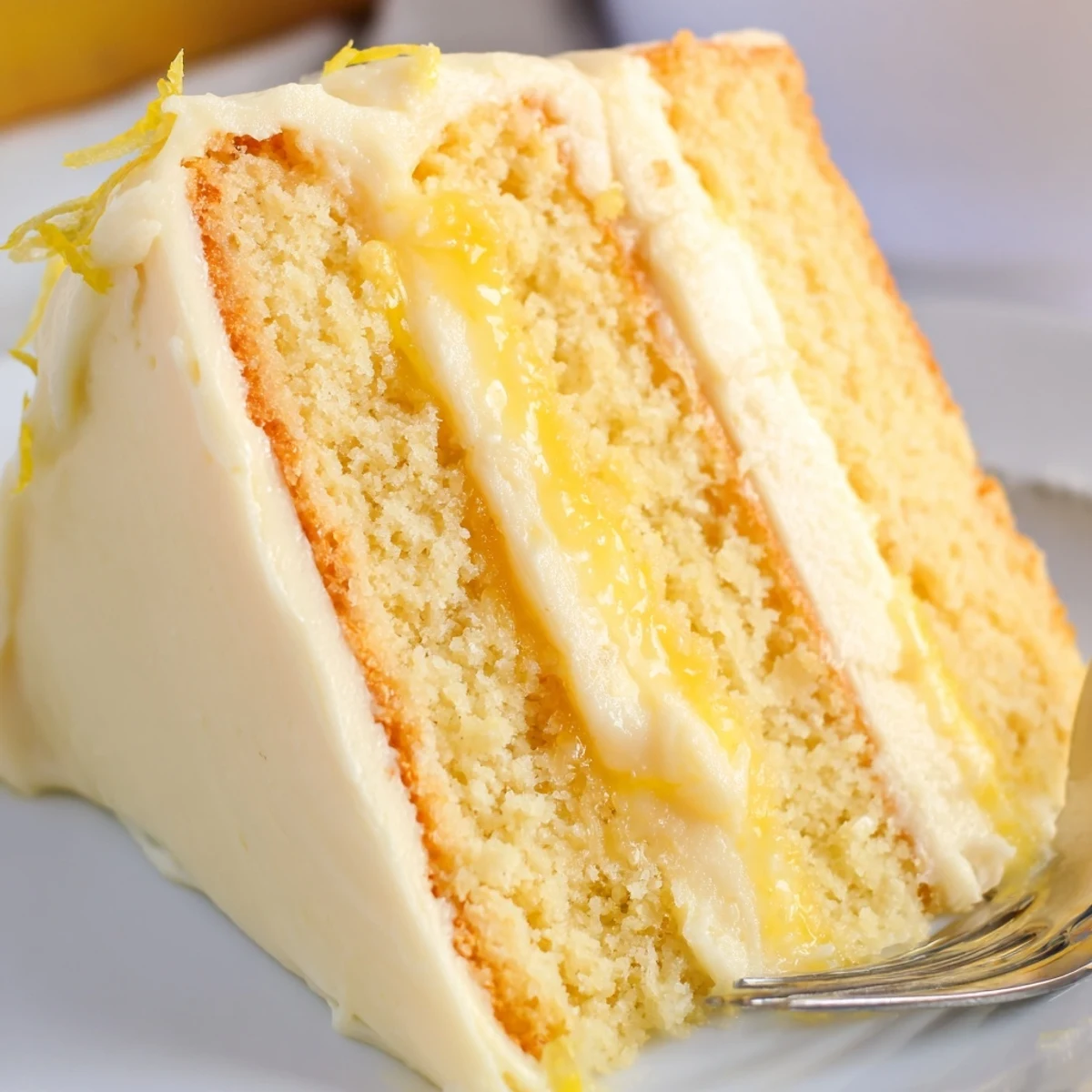
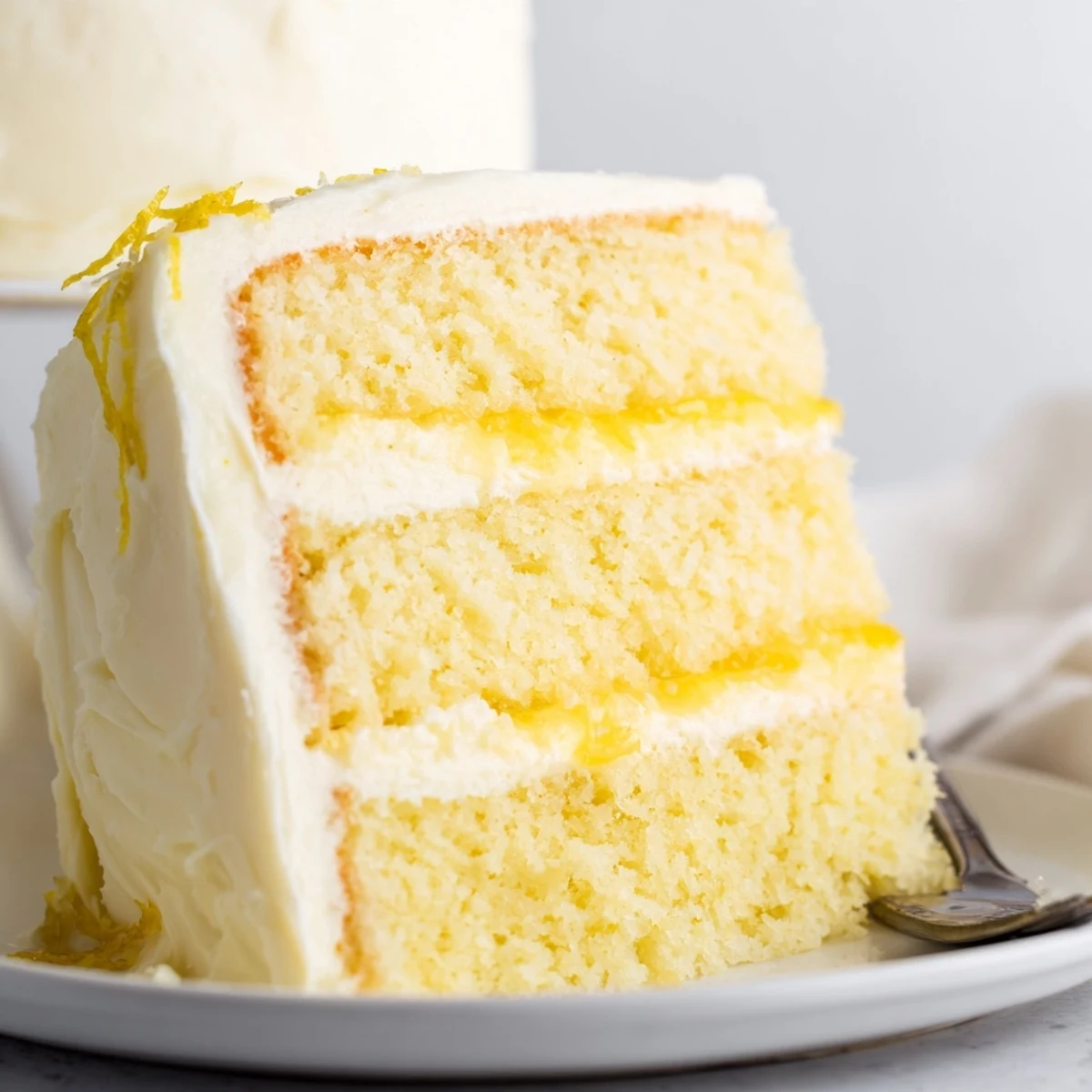
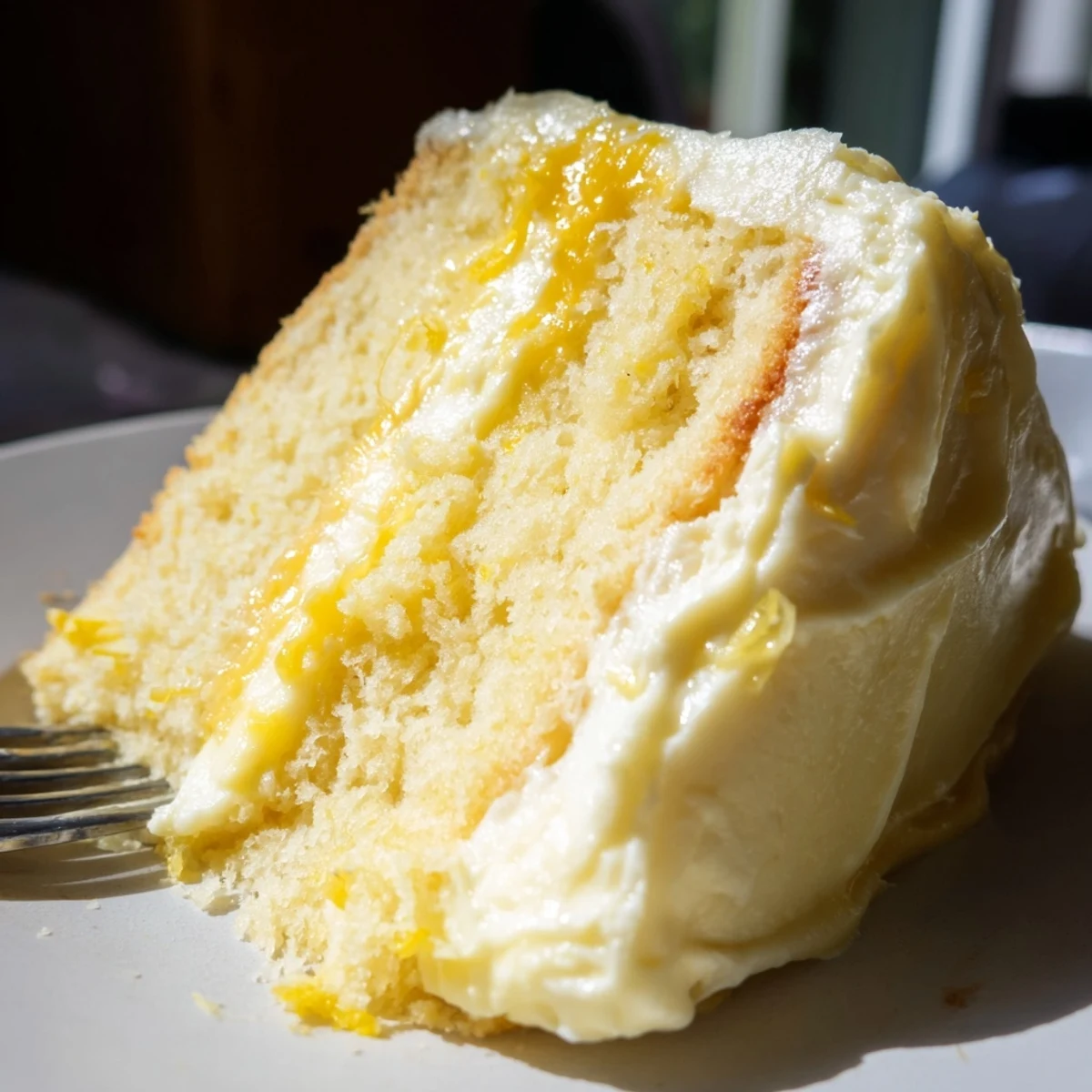
 This stunning layered treat combines three tender vanilla sponge cakes infused with fresh lemon zest and juice. Between each layer lies a generous spread of tangy homemade lemon curd, made from scratch using fresh citrus, eggs, and butter. The entire creation is enveloped in a silky lemon buttercream that balances sweetness with bright citrus notes.
Allow approximately two hours from start to finish, including cooling and assembly time. The result is a showstopping centerpiece that delivers the perfect balance of sweet and tart flavors in every bite.
The first time I attempted this lemon layer cake, my tiny apartment kitchen smelled like a sunny grove. I was baking for my sister's birthday, and somewhere between the third egg and the lemon zest, I realized I'd forgotten to buy buttermilk. A quick Google search saved me with the milk and vinegar trick, and honestly, I've never gone back to the real thing. That cake was slightly lopsided but disappeared faster than any birthday cake I've made since.
Last summer, my neighbor Sarah caught me through her open kitchen window, standing on a chair trying to get the perfect shot of this cake in natural light. She came over with her daughter, and we ended up having an impromptu tasting party on my back porch. The way her eyes lit up at that first bite of lemon curd seeping into the tender sponge—that's the moment this recipe became my go-to for bringing people together.
Ingredients
- All-purpose flour: The backbone of your tender sponge, dont skip the spoon and level method for accuracy
- Baking powder and soda: Together they give the cake its cloud like lift, freshness matters here
- Room temperature butter: This cannot be overstated, cold butter creates a dense cake so plan ahead
- Granulated sugar: Cream it thoroughly with butter until it looks pale and fluffy, this creates air pockets
- Eggs: Also room temp, they emulsify better and incorporate more evenly into the batter
- Lemon zest: Use a microplane and only the bright yellow part, the white pith is bitter
- Fresh lemon juice: Bottle juice has a metallic aftertaste, fresh is non negotiable here
- Buttermilk: The acid tenderizes the gluten and creates the softest crumb imaginable
- Vanilla extract: Pure extract only, it anchors all that bright citrus flavor
- Eggs for curd: Room temperature eggs prevent the curd from seizing when you cook it
- Butter for curd: Cube it before you start so you can whisk it in quickly at the end
- Powdered sugar: Sift it twice or your buttercream will have stubborn lumps
- Milk for buttercream: Add drop by drop, you can always thin it but you cant undo too much
Instructions
- Get your space ready:
- Preheat that oven to 350°F and line your three cake pans with circles of parchment paper. Grease the pans thoroughly, including the sides, I use my fingers to get into every corner.
- Whisk the dry team:
- Combine your flour, baking powder, baking soda, and salt in a medium bowl. Give it a good whisk to distribute everything evenly—no one wants a mouthful of baking powder.
- Work that butter:
- Cream your butter and sugar on medium speed for a solid five minutes until it's pale and fluffy. Scrape down the bowl halfway through, then beat in your eggs one at a time, letting each one fully incorporate before adding the next.
- Add the bright notes:
- Stir in your lemon zest and vanilla extract until fragrant. The kitchen should already be smelling incredible at this point.
- Build the batter:
- Add your flour mixture in three additions, alternating with buttermilk and lemon juice. Start and end with flour, mixing just until incorporated—overmixing makes a tough cake, so stop when you no longer see dry streaks.
- Bake to golden:
- Divide the batter evenly between your three pans, using a kitchen scale for precision if you have one. Bake for 25 to 30 minutes until a toothpick inserted in the center comes out clean. Cool in the pans for exactly 10 minutes, then turn them onto racks to cool completely.
- Make the magic curd:
- Whisk your eggs and sugar in a heatproof bowl until smooth. Stir in the lemon juice and zest, then set the bowl over a pan of simmering water. Whisk constantly for about 10 minutes until thickened enough to coat the back of a spoon. Remove from heat and whisk in your cubed butter until glossy and smooth. Strain through a fine mesh sieve and chill until set.
- Whip up buttercream:
- Beat your butter until creamy and smooth. Gradually add the sifted powdered sugar, then beat in the lemon juice, zest, and a pinch of salt. Add milk one tablespoon at a time until you reach a silky spreadable consistency.
- Bring it all together:
- Place your first cake layer on your serving plate. Spread a thin layer of buttercream, pipe a ring around the edge to contain the curd, and fill with half your lemon curd. Repeat with the second layer, top with the third, and frost the entire cake with the remaining buttercream. Decorate with extra zest if you're feeling fancy.
 Pin it
 This cake has become my request for every special occasion. Last Easter, my normally stoic father took one bite and quietly asked if there was any left for seconds. Watching him go back for a third slice, buttercream smeared slightly on his chin—that's when I knew this recipe was a keeper.
Making It Ahead
I've learned through trial and error that this cake actually tastes better on day two. The lemon curd has time to seep into the sponge layers, creating this incredible moist crumb that makes people think you're some kind of baking wizard. Wrap the frosted cake loosely and refrigerate overnight, then let it come to room temperature for about an hour before serving. The flavors need that time to become friends.
Getting The Perfect Layers
Here's something I wish someone had told me years ago: use a kitchen scale to portion your batter. Weigh your mixing bowl empty, then after you fill the first pan, weigh the bowl again and divide by three. Your layers will bake evenly and stack perfectly, which matters more than you'd think when it comes to structural integrity. Also, run a hot knife under hot water and wipe it dry between each slice for the cleanest cuts.
Serving Suggestions
This cake demands to be the centerpiece of your table. I love serving it on a vintage cake stand with a simple garnish of fresh lemon slices or a dusting of zest. It's rich enough that thin slices satisfy, which means this recipe genuinely serves twelve people without anyone feeling shortchanged.
- Pair with Earl Grey tea or a crisp white wine to cut through the richness
- Bring to room temperature for at least an hour before serving for the softest texture
- Leftovers keep in the fridge for up to five days, though they rarely last that long
 Pin it
 There's something almost therapeutic about zesting lemons and watching butter turn pale and fluffy in the mixer. This cake isn't just dessert—it's a little slice of sunshine on a plate, and I hope it brings as much joy to your table as it has to mine.
Recipe Q&A
- → How long does this keep fresh?
-
Store in an airtight container in the refrigerator for up to 4 days. The lemon curd and buttercream require cool storage to maintain their texture and flavor. Bring to room temperature 30 minutes before serving for the best taste and texture.
- → Can I make the components ahead?
-
Yes! Prepare the lemon curd up to 1 week in advance and refrigerate. The cake layers can be baked and frozen, wrapped well, for up to 1 month. Buttercream keeps refrigerated for 3-4 days. Thaw components completely before assembling.
- → What if I don't have buttermilk?
-
Make a simple substitute by adding 1 tablespoon of white vinegar or lemon juice to 1 cup of regular milk. Let it sit for 5-10 minutes until slightly thickened. This acidified milk provides the same tenderizing effect as buttermilk in the sponge.
- → How do I prevent the layers from sliding?
-
Chill the filled cake for 15-20 minutes after adding the lemon curd layers before frosting. The curd firms up slightly when cold, providing better stability. Also ensure your buttercream border around the curd is substantial to contain the filling.
- → Can I use bottled lemon juice?
-
Fresh lemon juice is strongly recommended for the brightest, most vibrant flavor. Bottled juice can taste artificial and may affect the curd's ability to set properly. If you must substitute, use a high-quality brand without preservatives.
- → Why is my lemon curd not thickening?
-
The curd thickens as it cools, but if it remains too liquid after chilling, return it to the heat and continue whisking until it reaches 170°F (77°C). Strain it through a fine-mesh sieve to remove any cooked egg bits for a silky smooth texture.