
 Pin it
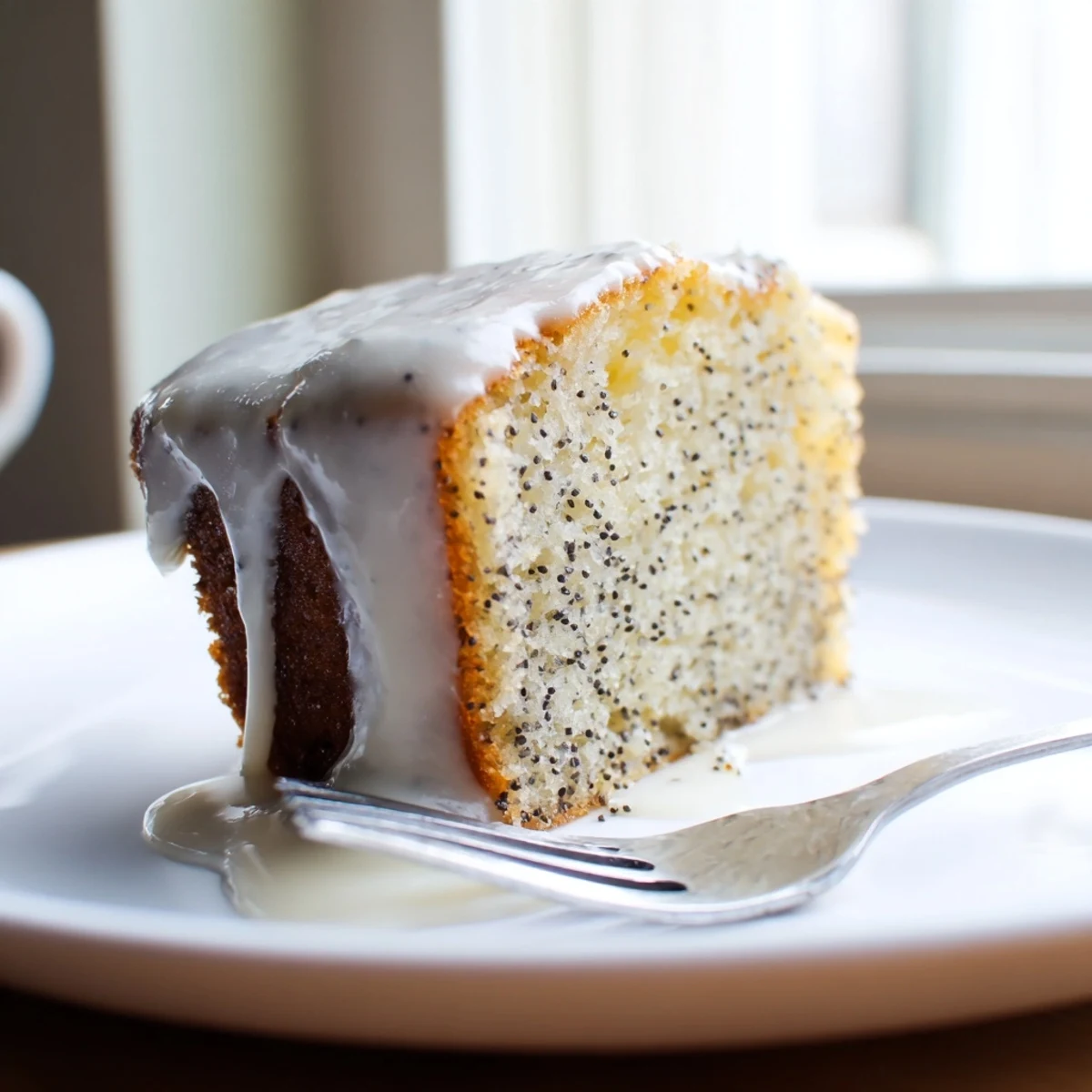
 This zesty lemon poppy seed delight delivers a vibrant burst of citrus flavor in every bite. The moist, tender crumb pairs perfectly with the subtle crunch of poppy seeds throughout. Fresh lemon juice and zest create a bright, refreshing profile that feels especially perfect for spring and summer occasions. The simple glaze adds just the right amount of sweetness to complement the tangy lemon notes. Best served slightly warm or at room temperature, this cake keeps beautifully for days and pairs wonderfully with fresh berries or whipped cream.
The smell of lemon zest hitting a warm kitchen is one of those small things that can flip a gray afternoon upside down. I started making this loaf on a whim during a rainy Saturday when the only brightness in the house came from a bowl of lemons sitting on the counter. It worked. The poppy seeds were an afterthought, a jar I grabbed from the back of the pantry, but they turned a simple cake into something people keep asking for by name.
I brought a loaf of this to a potluck thinking it would disappear into the background among the brownies and pies, but three people pulled me aside to ask what was in it and whether I would bring it again. One of them now texts me every spring to confirm I am making it for her birthday lunch.
Ingredients
- Unsalted butter (170 g, softened): Softened butter creams more evenly with sugar, giving you that tender crumb. Leave it out for about an hour before baking.
- Granulated sugar (200 g): Standard white sugar works best here since the flavor spotlight belongs to the lemon.
- Large eggs (2): Room temperature eggs blend more smoothly into the batter and help with rise.
- Whole milk (120 ml): Whole milk adds richness. You can swap sour cream for an even softer crumb if you have some on hand.
- Fresh lemon juice (60 ml for batter, plus 2 tbsp for glaze): Bottled juice tastes flat next to the real thing. Squeeze it yourself and save a little extra for the glaze.
- Lemon zest (1 tbsp): This is where most of the fragrance lives. Use a microplane and zest only the yellow skin, avoiding the bitter white pith underneath.
- All-purpose flour (190 g): Spoon it into the measuring cup and level it off with a knife. Packing it down leads to a dense loaf.
- Baking powder (1 1/2 tsp): Check the expiration date. Old baking powder is the silent killer of good cakes.
- Salt (1/4 tsp): Just enough to sharpen the citrus notes without tasting salty.
- Poppy seeds (2 tbsp): They add a subtle crunch and speckled look that makes the slice feel special.
- Powdered sugar (90 g, for glaze): Sift it first to avoid lumps in your glaze.
Instructions
- Prepare the pan and oven:
- Heat the oven to 350 degrees F. Grease a 9 by 5 inch loaf pan or line it with parchment paper, leaving the sides tall enough to lift the cake out cleanly.
- Cream butter and sugar:
- Beat the softened butter and sugar together until the mixture turns pale and looks almost fluffy, about three minutes of mixing.
- Add the eggs:
- Drop in one egg at a time, mixing until each one disappears completely before adding the next.
- Mix in the wet flavors:
- Stir in the milk, lemon juice, and zest. The batter might look slightly curdled and that is completely normal, so do not panic.
- Combine dry ingredients:
- In a separate bowl, whisk the flour, baking powder, salt, and poppy seeds together so everything is evenly distributed before it meets the wet mixture.
- Bring it all together:
- Fold the dry mixture into the wet ingredients gently and stop as soon as you no longer see streaks of flour. Overmixing makes the cake tough.
- Bake:
- Pour the batter into your prepared pan and smooth the top with a spatula. Bake for 35 to 40 minutes until a toothpick poked into the center comes out clean.
- Cool and glaze:
- Let the cake rest in the pan for ten minutes, then move it to a wire rack. Whisk powdered sugar with lemon juice until smooth and drizzle it over the cooled cake before slicing.
 Pin it
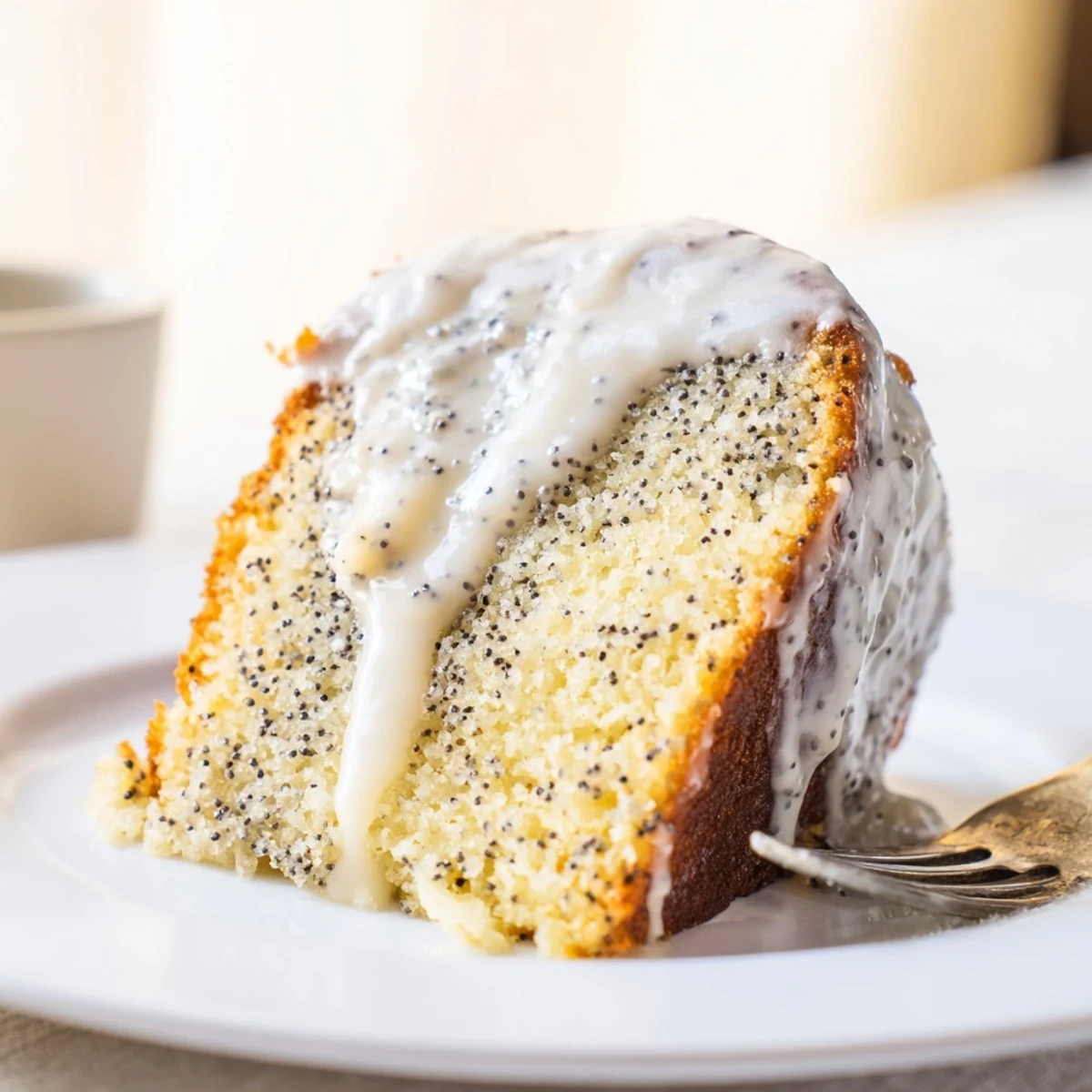
 One evening I left a slice on the counter under a towel and found it the next morning still soft and fragrant, which is when I realized this cake does not need to be served warm to shine.
Serving Suggestions That Actually Work
A slice of this alongside a handful of fresh raspberries and a dollop of barely sweetened whipped cream turns a casual snack into something that feels like a proper dessert course. I have also toasted leftover slices in a skillet with a little butter for breakfast, and nobody complained.
Storing So It Stays Moist
Wrap the cake tightly in plastic wrap or keep it in an airtight container at room temperature for up to three days. Beyond that, it freezes beautifully if you wrap individual slices so you can pull out just what you need.
Small Things That Make a Difference
Most of the personality in this loaf comes from tiny choices, not complicated techniques. Paying attention to a few details is what separates a good result from one people remember.
- Double the zest if you want the lemon to really announce itself.
- A drop of pure lemon extract in the batter adds depth without extra liquid.
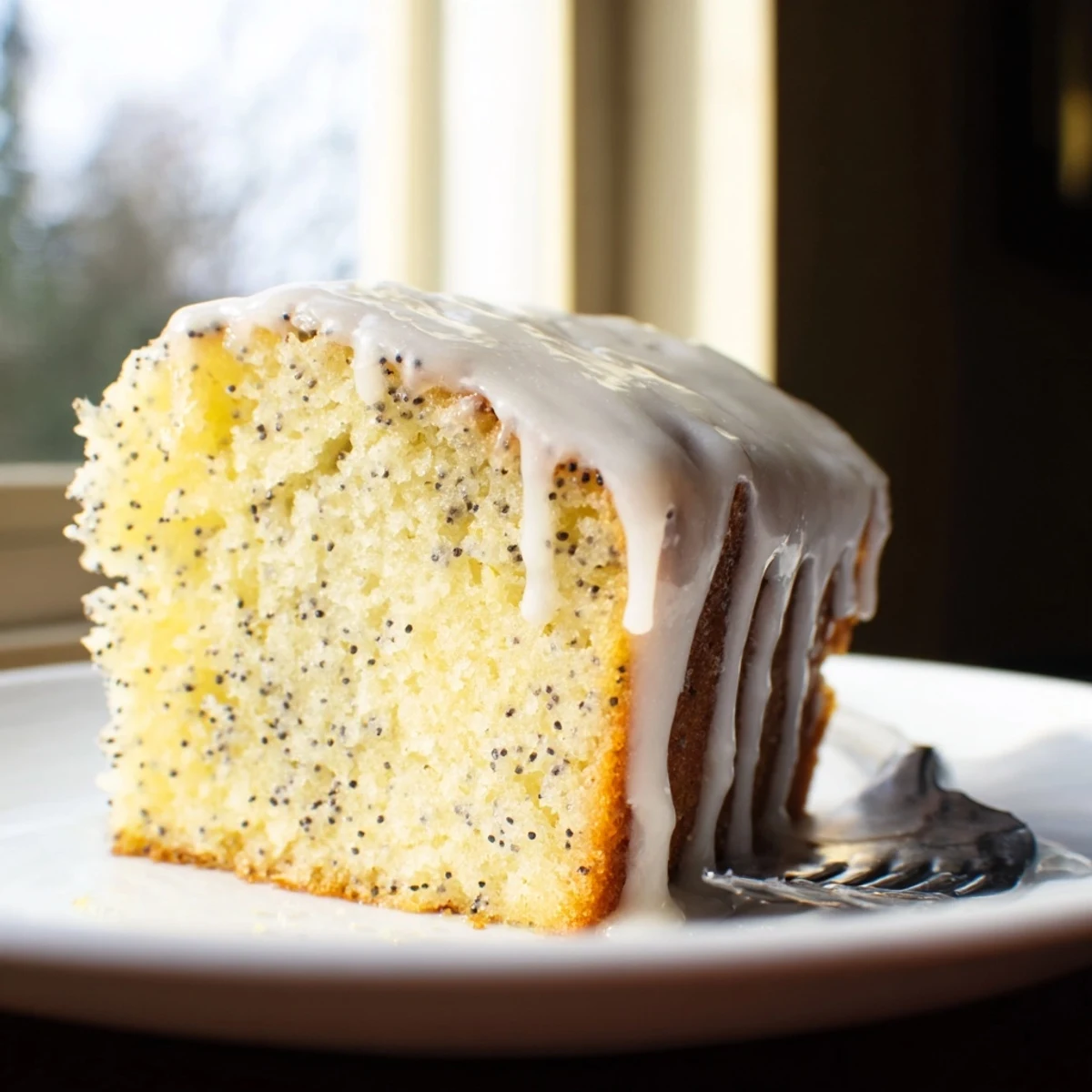
- Always let the cake cool completely before glazing so the drizzle sets instead of melting away.
 Pin it
 This is the kind of recipe that earns a permanent spot in your rotation because it asks very little and gives back so much. Keep a bag of lemons around and you are never more than an hour away from something that makes the kitchen smell incredible.
Recipe Q&A
- → How should I store this cake?
-
Store in an airtight container at room temperature for up to 3 days, or refrigerate for up to a week. The glaze may soften slightly when refrigerated but the flavor remains excellent.
- → Can I freeze this lemon poppy seed cake?
-
Yes, wrap the unglazed cake tightly in plastic wrap and foil, then freeze for up to 3 months. Thaw overnight at room temperature before adding the glaze.
- → What makes this cake so moist?
-
The combination of butter, eggs, milk, and fresh lemon juice creates a tender crumb. The sour cream substitution option adds even more moisture if desired.
- → Can I use bottled lemon juice instead of fresh?
-
Fresh lemon juice is highly recommended for the best flavor. Bottled juice can work in a pinch but may lack the bright, vibrant citrus notes that make this delight special.
- → Why does my batter look curdled when I add the lemon juice?
-
This is completely normal. The acid in lemon juice can cause the dairy to curdle slightly, but it will incorporate smoothly once you add the dry ingredients and won't affect the final texture.
- → Can I make this as muffins instead of a loaf?
-
Absolutely. Divide the batter among 12-15 muffin cups and reduce baking time to 18-22 minutes. The glaze can be drizzled over the cooled muffins.