
 Pin it
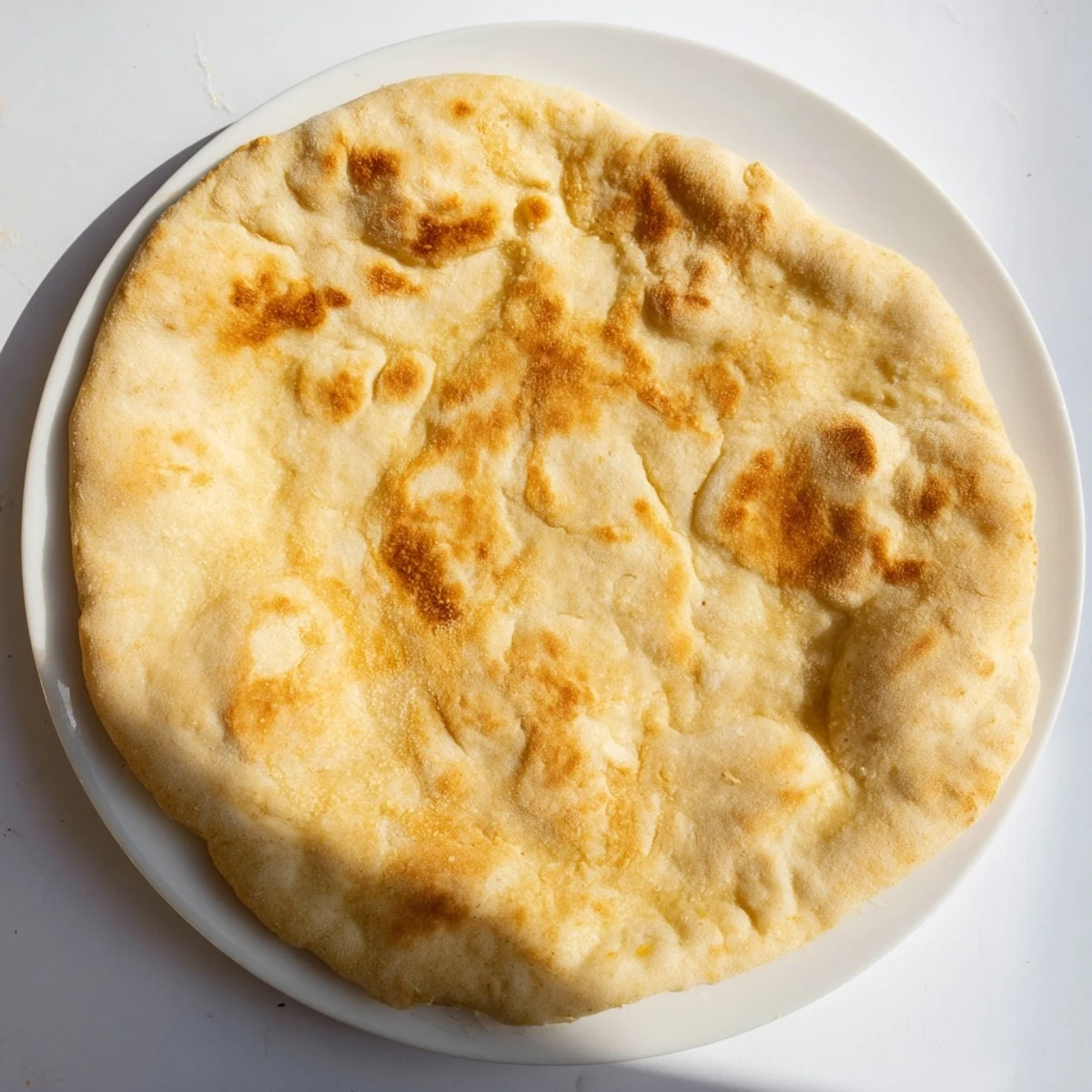
 Master the art of traditional Turkish bazlama, a beloved flatbread cherished for its pillowy texture and golden crust. This versatile bread emerges from the skillet with beautifully puffed pockets and a satisfying chewiness, making it perfect for scooping dips, wrapping grilled meats, or simply savoring warm with melting butter.
The dough combines yogurt for tenderness with basic pantry staples, requiring just one rise before shaping. Cook each round in a hot skillet until bubbles form and golden spots appear, then brush with olive oil for extra richness. Keep finished breads covered under a towel to maintain that signature softness.
These flatbreads freeze beautifully and reheat quickly, so consider doubling the batch to always have fresh-tasting bread on hand for spontaneous meals.
Last summer, my neighbor Ayşe caught me struggling with store-bought pita that kept tearing apart when I tried to fill it for lunch. She invited me over, flour dust on her apron, and showed me how her grandmother made bazlama—the softest, most forgiving bread I'd ever tasted. The way it puffed up on her cast-iron skillet felt like magic, and I've been hooked ever since.
My kids now request these for their school lunch boxes instead of regular sandwich bread. Something about tearing off pieces and dipping them into hummus or filling them with whatever leftovers they can find makes eating feel more like an adventure. The best part is they reheat perfectly, so I make a double batch on Sundays and we're set for days.
Ingredients
- 500 g all-purpose flour: The foundation of your dough—bread flour works too if you want extra chewiness
- 7 g instant dry yeast (1 packet): Active dry yeast needs blooming first, but instant dissolves directly into your warm water
- 1½ teaspoons sugar: Just enough to wake up the yeast and help with browning
- 1 teaspoon salt: Crucial for flavor—don't skip it or your bread will taste flat
- 300 ml lukewarm water: Think bathwater temperature—too hot kills yeast, too cold makes it sluggish
- 125 g plain yogurt: Room temperature yogurt is key here—it creates the softest crumb and subtle tang
- 1–2 tablespoons olive oil or melted butter: For brushing warm breads—adds flavor and keeps them soft longer
Instructions
- Wake up the yeast:
- Stir lukewarm water, yeast, and sugar in a large bowl—watch for tiny bubbles on the surface after 5–10 minutes, which means it's alive and ready
- Make the dough:
- Whisk in the yogurt until blended, then gradually add flour and salt, mixing until you have a shaggy, sticky dough that holds together
- Knead it smooth:
- Turn onto a floured surface and knead for about 10 minutes—by hand, stand mixer, or even food processor—until smooth, elastic, and slightly tacky but not sticky
- Let it rise:
- Cover with a damp cloth and park in a warm corner—inside a turned-off oven with the light on works beautifully—for 1 hour until doubled
- Divide and shape:
- Punch down gently, turn out onto floured surface, cut into 8 equal pieces, roll each into a smooth ball, then flatten to about 15 cm rounds and 8 mm thick
- Cook to golden:
- Heat a skillet over medium-high—no oil needed in the pan—cook each flatbread 2–3 minutes until puffed and golden with brown spots, then flip and cook 1–2 minutes more
- Keep them soft:
- Brush with olive oil or butter while warm, then stack under a clean kitchen towel—the steam keeps them tender as you cook the rest
 Pin it
 Last month, I made these for a dinner party and served them alongside a simple bowl of olive oil and za'atar. My friend Sarah, who claims she can't bake anything, asked for the recipe before she even finished her first piece. Watching everyone tear into warm bread, reaching across the table for seconds, reminded me why I bother making bread from scratch at all.
The Secret to Perfect Bubbles
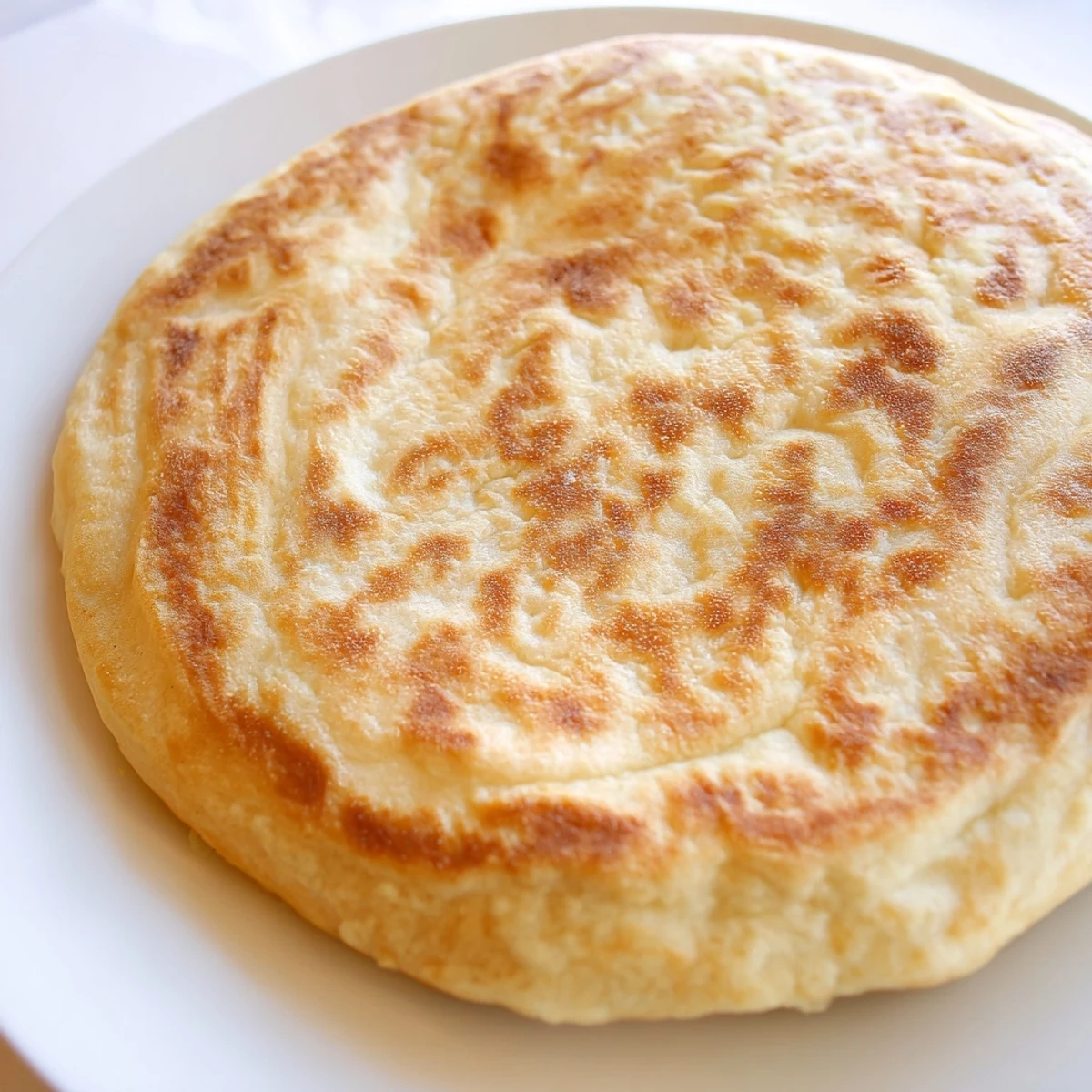
Those gorgeous air pockets that make bazlama perfect for wrapping come from cooking at the right temperature—medium-high gives you bubbles that puff dramatically without burning the crust before the inside cooks through. You'll see the bread balloon up, sometimes dramatically, which is exactly what you want. Don't press it down with your spatula—let it puff up naturally and those pockets will stay intact, ready to fill with whatever you like.
Making Them Ahead
The dough actually develops better flavor if you mix it the night before and let it rise slowly in the refrigerator. The next day, let it come to room temperature for about 30 minutes before shaping and cooking. You can also refrigerate the shaped, raw dough balls for up to 24 hours—they'll puff up beautifully when you roll and cook them. This makes timing a dinner party so much easier since the active cooking time is just minutes.
Serving Ideas That Go Beyond Bread
These flatbreads transform into whatever you need them to be—cut them into wedges and toast with garlic butter for dinner, use them as pizza bases for personal-sized snacks, or wrap around grilled vegetables and feta for an instant lunch. My youngest daughter likes them spread with Nutella for breakfast, which I initially thought was strange but now completely understand.
- Brush with garlic butter and sprinkle fresh herbs while still warm
- Wrap cooled breads individually in foil and freeze for up to 2 months
- Reheat frozen bazlama directly in a hot pan—no thawing needed
 Pin it
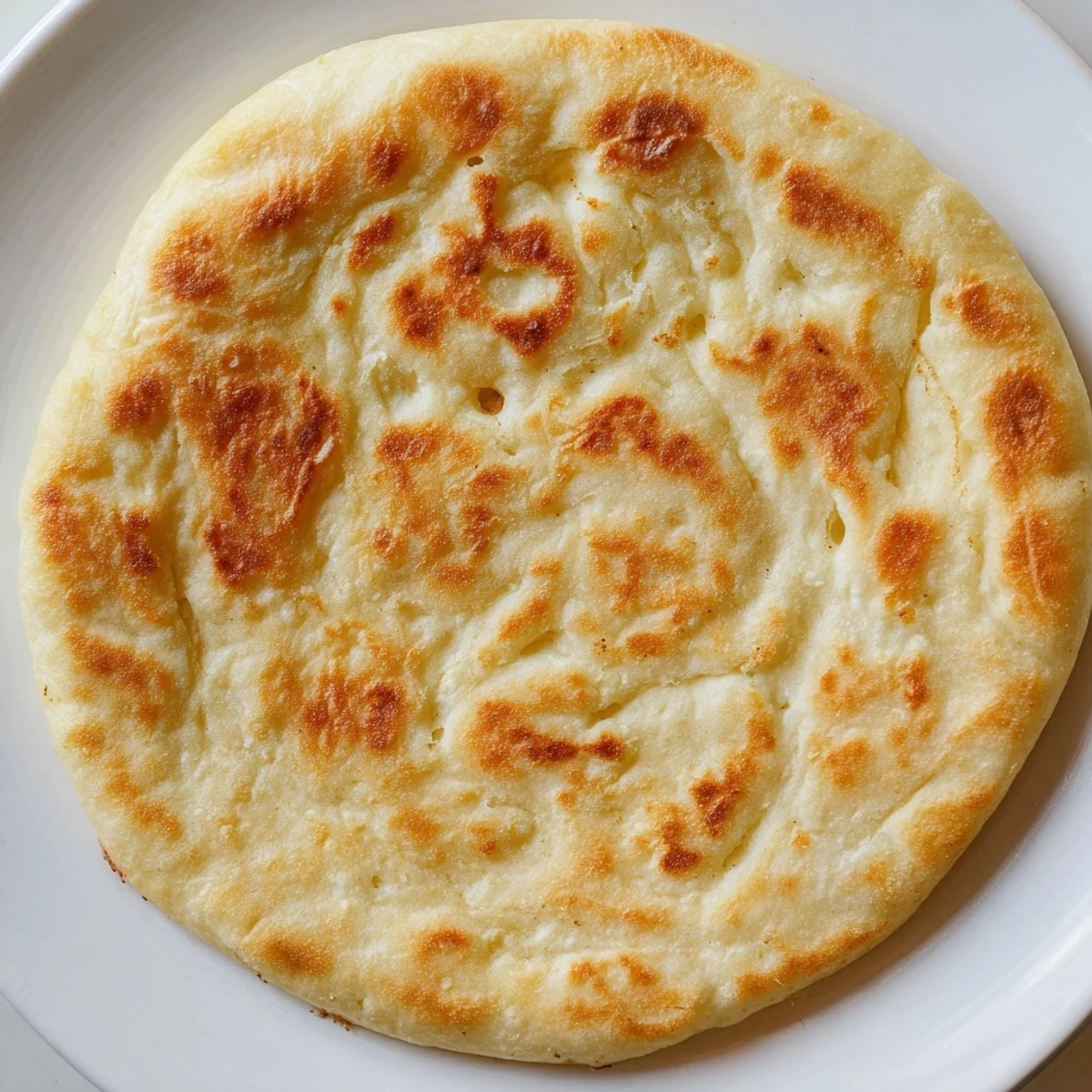
 There's something deeply satisfying about making your own bread, especially one that comes together this easily. The first time you watch these flatbreads puff up in the pan, golden and speckled, you'll understand why this recipe has been passed down through generations of Turkish home cooks.
Recipe Q&A
- → What makes bazlama different from naan?
-
Bazlama uses yogurt in the dough for tenderness and cooks entirely in a skillet without requiring a tandoor oven. The texture is lighter and more pillowy than naan, with a thinner profile that's perfect for wrapping.
- → Can I make bazlama without yogurt?
-
Substitute plain yogurt with an equal amount of warm water mixed with 1 tablespoon of lemon juice or vinegar. Let it sit for 5 minutes to curdle slightly before adding to the dough for similar tenderness.
- → Why didn't my flatbread puff up?
-
Ensure your skillet is properly preheated over medium-high heat before adding dough. The dough should be rolled evenly but not too thin—about 8mm thickness creates ideal puffing. Don't flip too early; wait until bubbles form and golden spots appear.
- → How do I store and reheat bazlama?
-
Keep cooked flatbreads in an airtight container at room temperature for 2 days, or freeze for up to 2 months. Reheat directly in a hot skillet for 1 minute per side, or pop in a toaster until warmed through.
- → Can I cook bazlama on an outdoor grill?
-
Yes, preheat your grill to medium-high and oil the grates lightly. Cook for 2-3 minutes per side, watching carefully as grill heat may be more intense than a skillet. The smoky flavor adds delicious depth.
- → What should I serve with bazlama?
-
Enjoy warm with melted butter or olive oil, serve alongside hummus and baba ganoush, wrap around grilled meats and vegetables, or use to scoop up stews and curries. Also excellent with feta and herbs.