
 Pin it
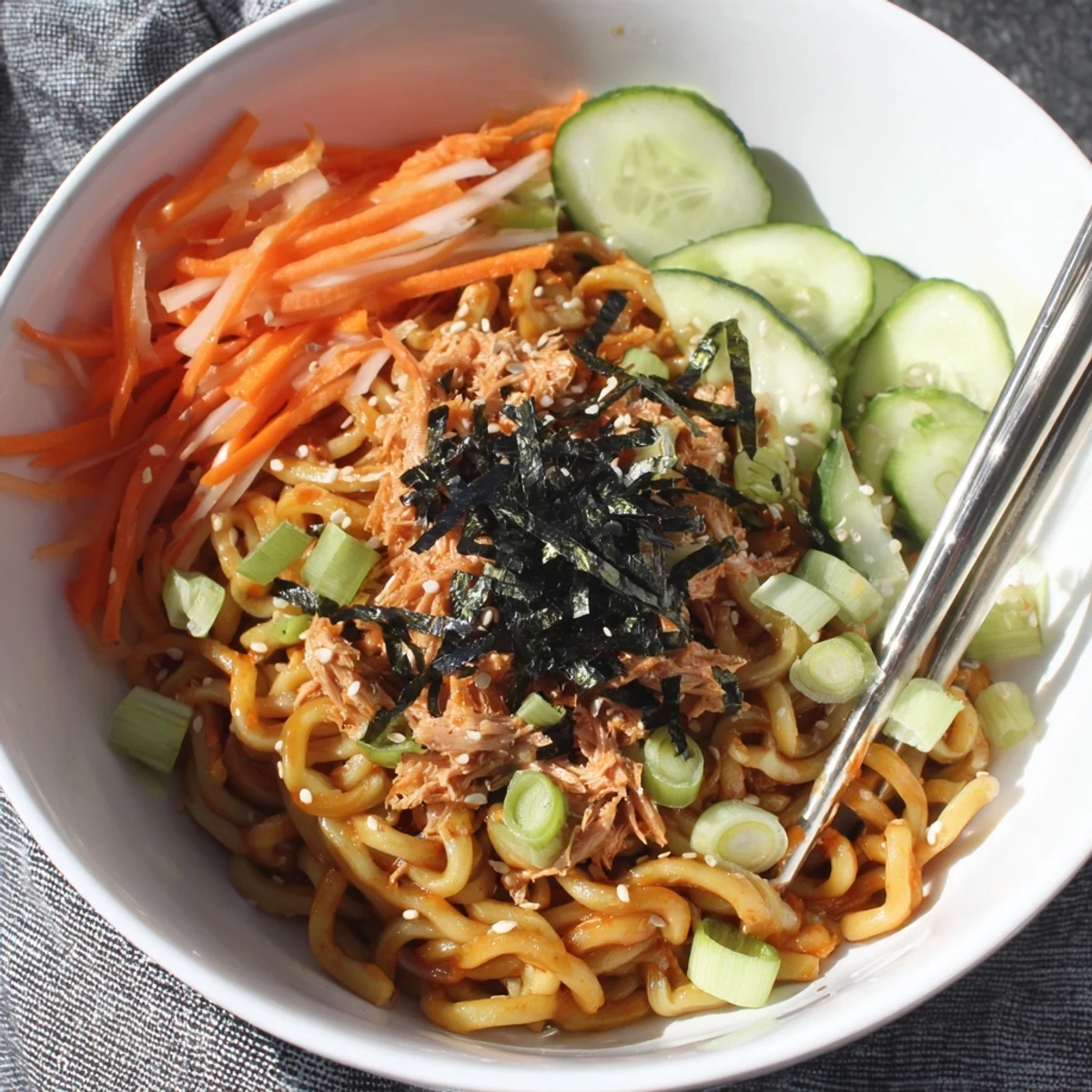
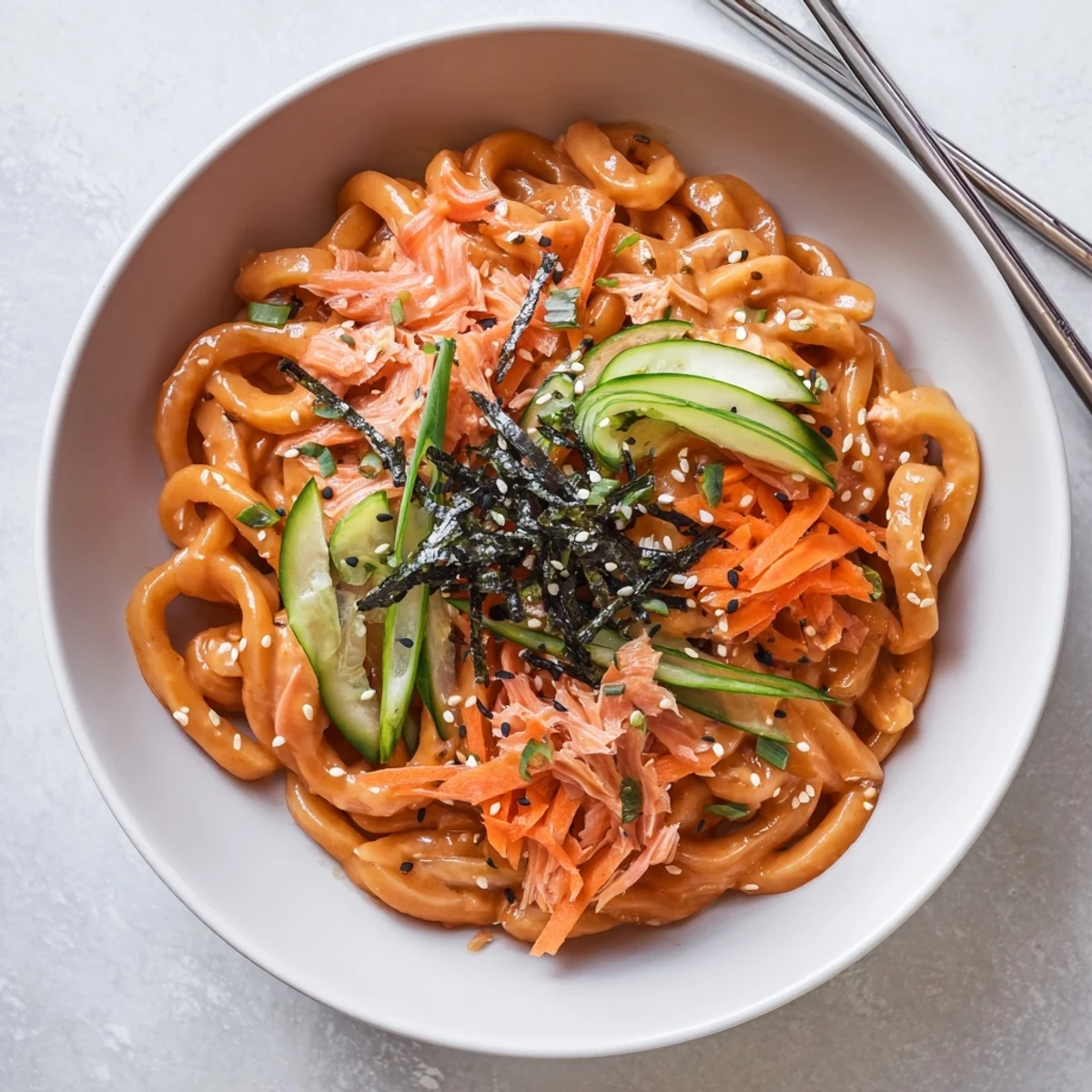
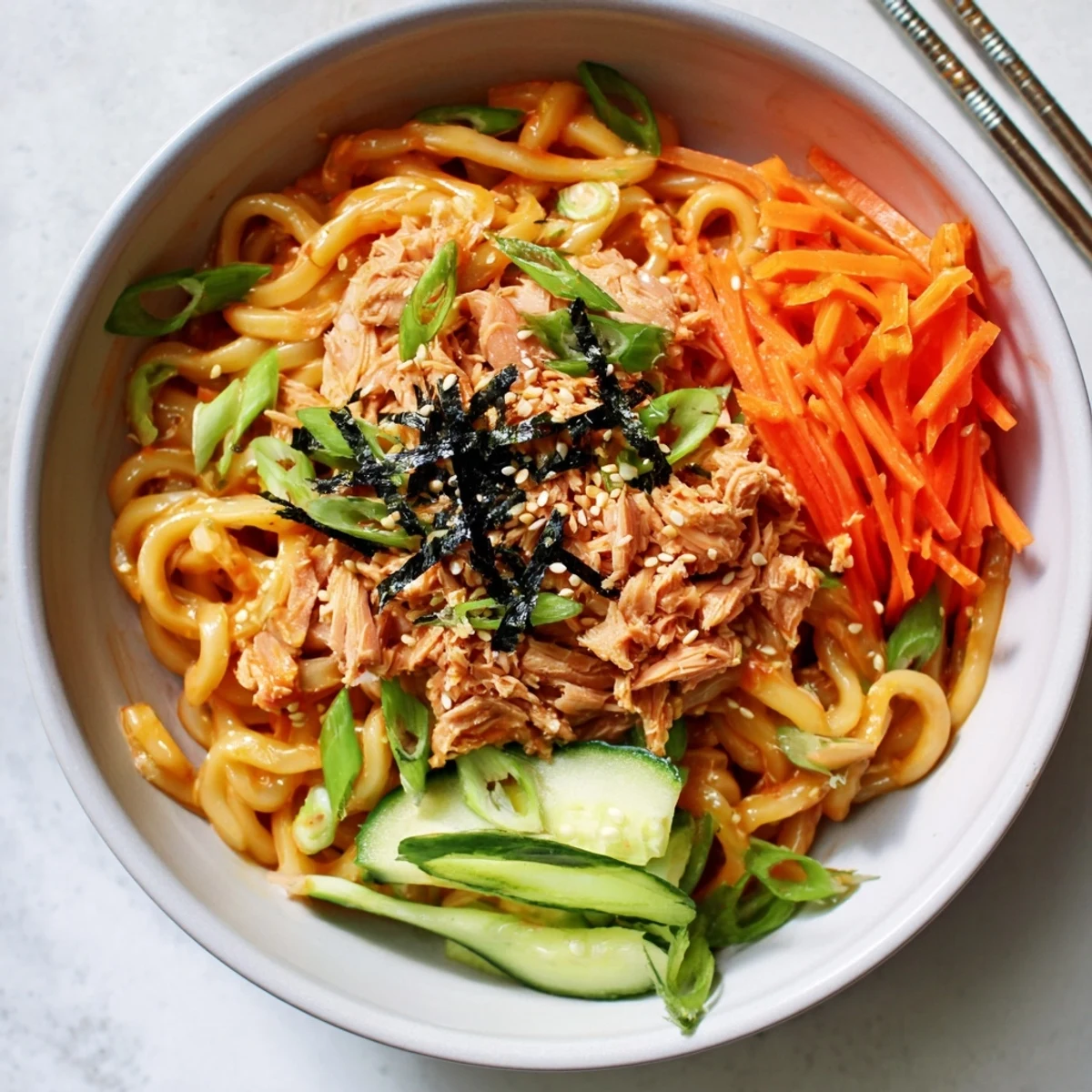
 This vibrant bowl brings together thick, chewy udon noodles with a creamy spicy tuna mixture that delivers just the right amount of heat. The sauce combines mayonnaise, Sriracha, soy sauce, and sesame oil for a rich, savory coating that clings beautifully to every strand.
Fresh julienned carrots, crisp cucumber slices, and zesty spring onions add crunch and brightness, while toasted sesame seeds and nori provide authentic Japanese flavors and texture.
Ready in just 25 minutes, this dish works beautifully served chilled or at room temperature, making it perfect for quick lunches or light dinners. Adjust the Sriracha to control the spice level, and consider adding a soft-boiled egg for extra protein.
The exhaust fan above my stove was on its last legs, humming louder than the radio, the afternoon I threw together leftover udon and a can of tuna out of pure fridge desperation. What landed on my plate forty minutes later was so bold and slurpy that I stood at the counter eating the whole thing before it ever saw a bowl. That accidental lunch became a weekly craving I never outgrew.
I made this for my neighbor Megumi after she helped me carry groceries up four flights of stairs in August humidity. She took one bite, closed her eyes, and said it reminded her of a corner shop near her university in Osaka, which remains the highest compliment my kitchen has ever received.
Ingredients
- Udon noodles (200 g): Fresh vacuum sealed ones have the best chew, but frozen work beautifully once thawed and briefly boiled.
- Canned tuna in water, drained (120 g): Water packed keeps the sauce from turning greasy and lets the spice come through clean.
- Carrot, julienned (1/2 cup): Thin strips soften just enough against the warm noodles while keeping a satisfying crunch.
- Cucumber, thinly sliced (1/2 cup): Its cool sweetness balances the heat in a way nothing else can.
- Spring onions, sliced (2): Slice them on a sharp diagonal for a prettier bowl and a milder bite.
- Pickled ginger, finely chopped (1 tablespoon, optional): A small handful lifts the whole dish with a subtle sweet acidity.
- Japanese Kewpie mayonnaise (2 tablespoons): The extra egg yolks and rice vinegar in Kewpie make a richer, more cohesive sauce than standard mayo.
- Sriracha (1 tablespoon): Start with one tablespoon and taste before adding more, since heat builds as it sits.
- Soy sauce (1 tablespoon): Provides the salty umami backbone that holds everything together.
- Sesame oil (1 teaspoon): A little goes a long way toward that toasty, warm fragrance.
- Rice vinegar (1 teaspoon): Brightens the sauce and keeps it from feeling heavy.
- Sugar (1/2 teaspoon): Just enough to round the sharp edges without making anything sweet.
- Toasted sesame seeds (1 tablespoon): Toast them yourself in a dry pan for thirty seconds and you will never go back to the jarred kind.
- Nori, torn into pieces (1 sheet): Tear it rough and rustic, it wilts slightly into the noodles and releases a wonderful ocean scent.
- Fresh chili slices (optional): Thin rings of red bird eye chili scattered on top make it photogenic and fiery.
Instructions
- Boil the noodles:
- Cook the udon according to the package, usually two to three minutes for fresh, then drain and rinse under cold running water until the noodles feel firm and slippery. Shake off excess water thoroughly because nobody wants a watery sauce.
- Build the spicy tuna sauce:
- In a large mixing bowl, combine the drained tuna, mayonnaise, Sriracha, soy sauce, sesame oil, rice vinegar, and sugar. Stir with a fork, breaking up the tuna until the mixture looks creamy and evenly speckled with orange.
- Fold in the vegetables:
- Add the julienned carrot, sliced cucumber, spring onions, and pickled ginger to the sauce. Toss gently so the vegetables get coated without turning the cucumber watery.
- Combine everything:
- Add the cooled udon noodles to the bowl and toss using tongs or your hands, lifting and folding until every strand is glossy with sauce. Taste a noodle and adjust the Sriracha or soy sauce if it needs more punch.
- Plate and garnish:
- Divide between two bowls and scatter generously with sesame seeds, torn nori, and fresh chili slices if you are feeling brave. Serve right away while the textures are at their best.
 Pin it
 One rainy Tuesday I packed leftover spicy tuna udon in a container for lunch at work and three coworkers appeared at my desk asking what smelled so incredible. We ended up sharing it with chopsticks scavenged from the break room drawer, laughing at how undignified and completely satisfying it was.
Making It Your Own
The beauty of this recipe is how forgiving it is when you start swapping pieces around. I have used shredded rotisserie chicken instead of tuna on days I wanted something heartier, and once tossed in leftover edamame for extra color and protein without changing the spirit of the dish at all.
Pairings Worth Trying
A cold glass of dry sake cuts through the spice and richness like a reset button between bites. On weeknights when I skip the alcohol, sparkling water with a squeeze of lime does surprisingly well at keeping the palate fresh.
Storage and Leftovers
This dish is best eaten immediately but will keep in an airtight container in the refrigerator for up to one day, after which the cucumber starts weeping and the noodles lose their bounce. If you are meal prepping, keep the sauce and noodles separate and combine them just before eating for the best texture.
- Store the spicy tuna sauce in its own small container so the vegetables do not marinate too long.
- Bring the noodles to room temperature before tossing so the sauce spreads more easily.
- Always add the nori and sesame seeds fresh at the last second for maximum crunch and aroma.
 Pin it
 Some recipes earn their place in your rotation through grand occasions and holiday tables, but this one earned mine on a random afternoon with a humming exhaust fan and an empty fridge. It reminds me that the best cooking often happens when you stop planning and start tasting.
Recipe Q&A
- → Can I use fresh tuna instead of canned?
-
Absolutely. Grilled, pan-seared, or poached fresh tuna works wonderfully. Simply flake the cooked tuna into bite-sized pieces before tossing with the spicy sauce. Fresh tuna adds a more delicate texture and cleaner flavor profile.
- → How spicy is this dish?
-
With one tablespoon of Sriracha, the heat level is medium—noticeable but not overwhelming. You can easily adjust by using less Sriracha for mild flavor or adding more, along with chili oil or fresh chili slices, for extra heat.
- → Can I make this ahead of time?
-
Yes, this dish actually improves after a few hours in the refrigerator as the flavors meld. Prepare everything up to a day in advance, but add the sesame seeds and nori just before serving to maintain their crunch and texture.
- → What can I substitute for udon noodles?
-
Soba noodles, ramen, or even thick spaghetti work well as alternatives. For a gluten-free option, use rice noodles or buckwheat soba. Just adjust cooking times according to package instructions.
- → Is there a lighter alternative to mayonnaise?
-
Greek yogurt makes an excellent substitute, offering creaminess with less fat and a tangy flavor. You can also use Japanese-style Kewpie mayonnaise for a richer, more authentic taste, or a light mayonnaise for reduced calories.
- → What vegetables work best in this dish?
-
Beyond carrots and cucumber, consider adding shredded cabbage, bell peppers, edamame, or snap peas for crunch. Fresh herbs like cilantro or shiso leaves also complement the spicy tuna beautifully.