
 Pin it
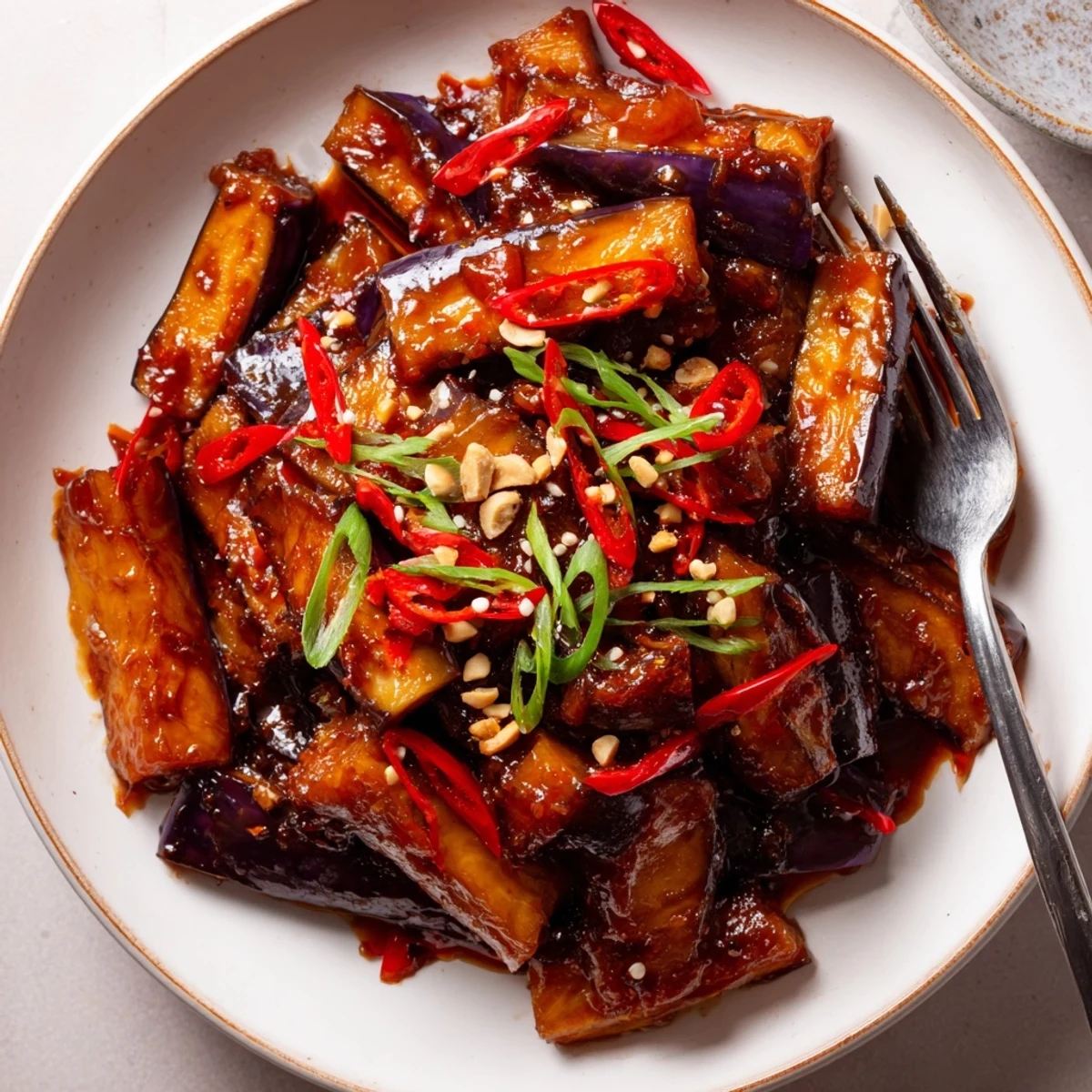
 This Sichuan-style braised aubergine begins by salting thick aubergine batons to draw out moisture, then pan-frying until golden and soft. Ginger, garlic and optional chili are stir-fried with doubanjiang to infuse the oil, then soy, dark soy, vinegar and stock simmer with the aubergine for 8–10 minutes. A cornstarch slurry quickly thickens the glossy sauce.
Finish with sesame oil and sliced spring onions. Ready in about 40 minutes, it pairs well with steamed jasmine rice or noodles; add Sichuan peppercorns or toasted peanuts for extra kick and texture.
The first time I heard the sizzle of aubergines hitting a hot wok for this Sichuan-style braise, it was a rainy Tuesday and lightning was dancing somewhere outside my kitchen window. I had to keep wiping my hands on a tea towel, not from nerves, but because the fragrance of the doubanjiang was so potent it made me excited to taste the results. My flat filled with an aroma that made me think maybe I could get away with serving just rice and aubergines for dinner. As I scooped the glossy, spicy pieces onto plates, I realized this was much more than just a quick weeknight meal.
I once made a double batch for a neighbor’s impromptu vegan potluck, and the kitchen filled up with folks who wanted to know what was cooking long before we’d set the table. We ended up eating straight from the wok, debating if anyone else could smell the hint of smoke from the doubanjiang. No one remembered to serve the salad. No one cared.
Ingredients
- Aubergines (eggplants): Using firm, heavy aubergines ensures the flesh is creamy and tender after braising—I’ve learned it pays to salt them first for the very best texture.
- Spring onions: Slice them thinly for a subtle crunch at the finish that lifts the whole dish.
- Garlic: Don’t be shy—garlic lays the foundation for all the other flavors, so fresh is best.
- Ginger: I always go for a fat, juicy knob; it gives just the right punch of warmth.
- Red chili (optional): If you like a little extra fire, one chili does the trick—add more only if you’re game.
- Doubanjiang (Sichuan fermented broad bean chili paste): This is the heart of the dish; buy the best you can find, and remember it’s salty, so balance accordingly.
- Soy sauce and dark soy sauce: Soy sauce gives depth, while dark soy sauce brings color and a hint of molasses flavor—never skip the dark variety if you can help it!
- Rice vinegar: A splash at the right moment brightens everything up; it’s one of those “aha!” ingredients.
- Sugar: Just a touch rounds the edges of the heat and tang.
- Vegetable stock or water: Stock obviously brings more flavor, but water works in a pinch; I’ve tried both.
- Vegetable oil: You want enough oil to give the aubergines a glorious sear—don’t be scared of a little shimmer in the wok.
- Sesame oil: A drizzle at the end is like slipping on perfume after getting dressed—totally optional but transforms the final impression.
- Salt: Taste as you go, especially since the doubanjiang brings its own saltiness.
- Cornstarch: This simple thickener makes the sauce cling beautifully to each piece.
- Water (for slurry): Just two tablespoons are enough—it’s amazing how a quick mix turns everything silky.
Instructions
- Prep the aubergines:
- Scatter salt over the aubergine batons and let them lounge in a bowl for 10 minutes while you prep everything else; rinse them and pat dry with a clean paper towel afterwards.
- Sear the aubergine:
- Heat a wok with three generous spoonfuls of oil; fry the aubergine pieces in batches so they turn gold and plush, about 6 to 8 minutes—don’t rush, the caramelization brings sweetness.
- Sauté the aromatics:
- Pour off any extra oil, leaving just a spoonful; toss in the ginger, garlic, and chili, and let them crackle and perfume the kitchen for a solid minute.
- Bloom the doubanjiang:
- Stir in the doubanjiang and keep things moving until the oil stains a deep reddish color, and you catch a whiff of smoky heat—that’s when you know it’s ready.
- Braise the mix:
- Return the soft aubergines to the pan; splash in the two soy sauces, rice vinegar, sugar, and stock, then fold gently so the sauce hugs every piece without breaking them up.
- Simmer to tenderness:
- Cover and lower the heat so the sauce bubbles softly; check after 8–10 minutes, and poke an aubergine—it should yield without a fight, and everything will smell incredible.
- Thicken the sauce:
- Quickly whisk the cornstarch with water; pour in and stir for half a minute until everything goes glossy and coats the spoon.
- Finish and serve:
- Turn off the heat, drizzle over sesame oil, and shower with spring onions before scooping it onto your plate next to a mountain of steamed rice.
 Pin it
 When I made this dish for my sister during a long winter evening, we ended up talking late into the night, picking through leftovers straight from the pan and laughing about who got the last silky piece. Somehow, after all the heat and steam, the room felt a touch warmer—and not just from the spices.
Sourcing the Best Ingredients for Flavour
I’ve found that the type of aubergine really matters—smaller, firm-skinned ones soak up the flavors better and don’t fall apart. Doubanjiang can vary a lot; try to find a brand with a deep, complex aroma (you’ll know it when you taste it!). Spring onions and ginger are best super fresh because they’re finishing notes you’ll notice in every bite.
Kitchen Mishaps and Successes
I once forgot to rinse the salt off my aubergines, and, well, the result was a bit too assertive for anyone’s liking! I also learned that overcrowding the pan keeps them from searing—space is your friend for that caramelized goodness. Don’t stress if your sauce looks thin at first; the heat and cornstarch do their magic right at the end.
Making It Your Own
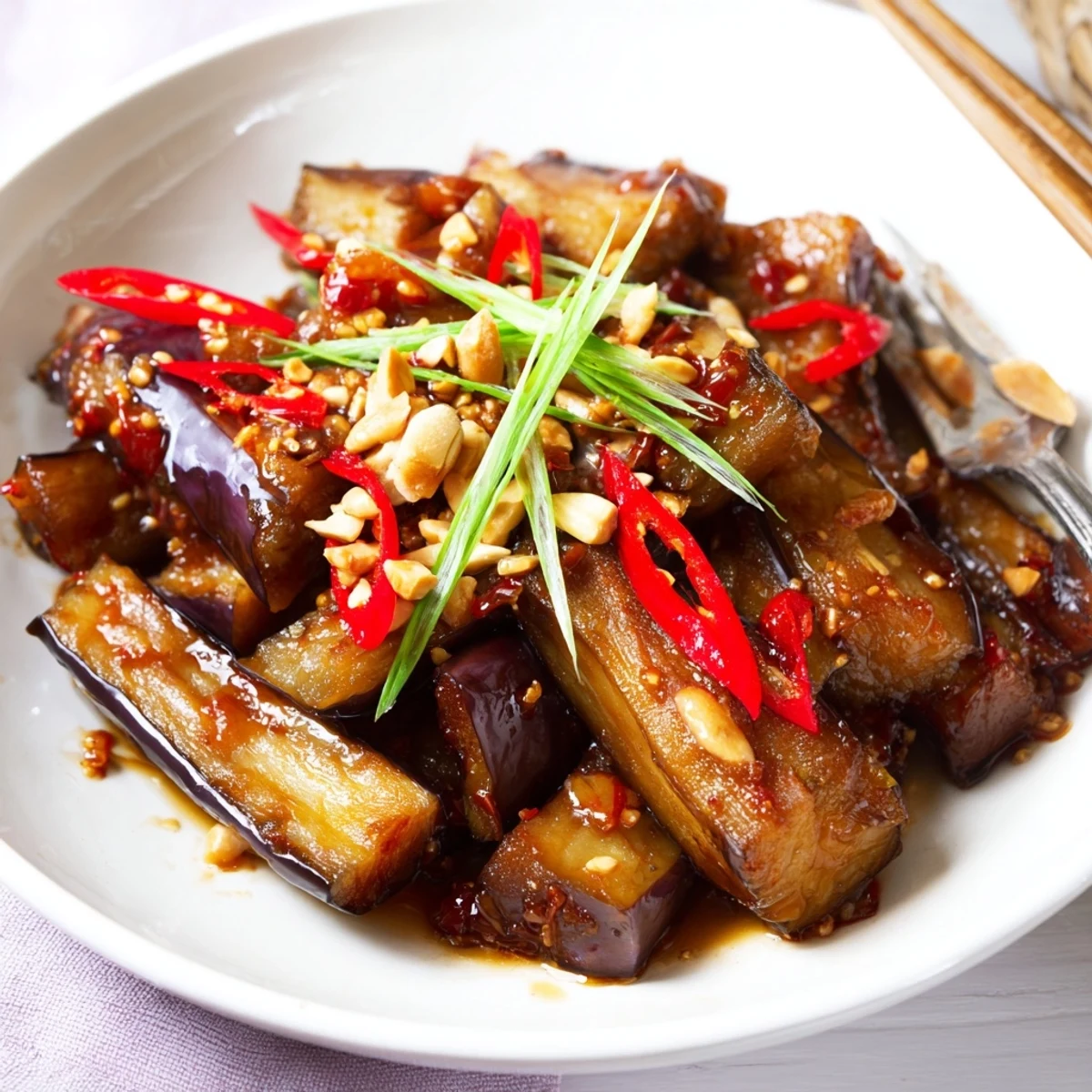
Some friends like it mouth-numbing, so a pinch of ground Sichuan peppercorn can turn things up a notch without overwhelming the balance. If you want to lighten things up, use less oil and skip the frying step, but you’ll lose a bit of that restaurant-style texture. I’ve also sprinkled roasted peanuts on top for crunch and loved it every time.
- A dash of extra vinegar can lift the whole dish if it feels too heavy.
- If you can’t find doubanjiang, chili garlic sauce works in a pinch—just adjust the salt.
- Leftovers are fantastic stirred into noodles or tucked into a lunchbox the next day.
 Pin it
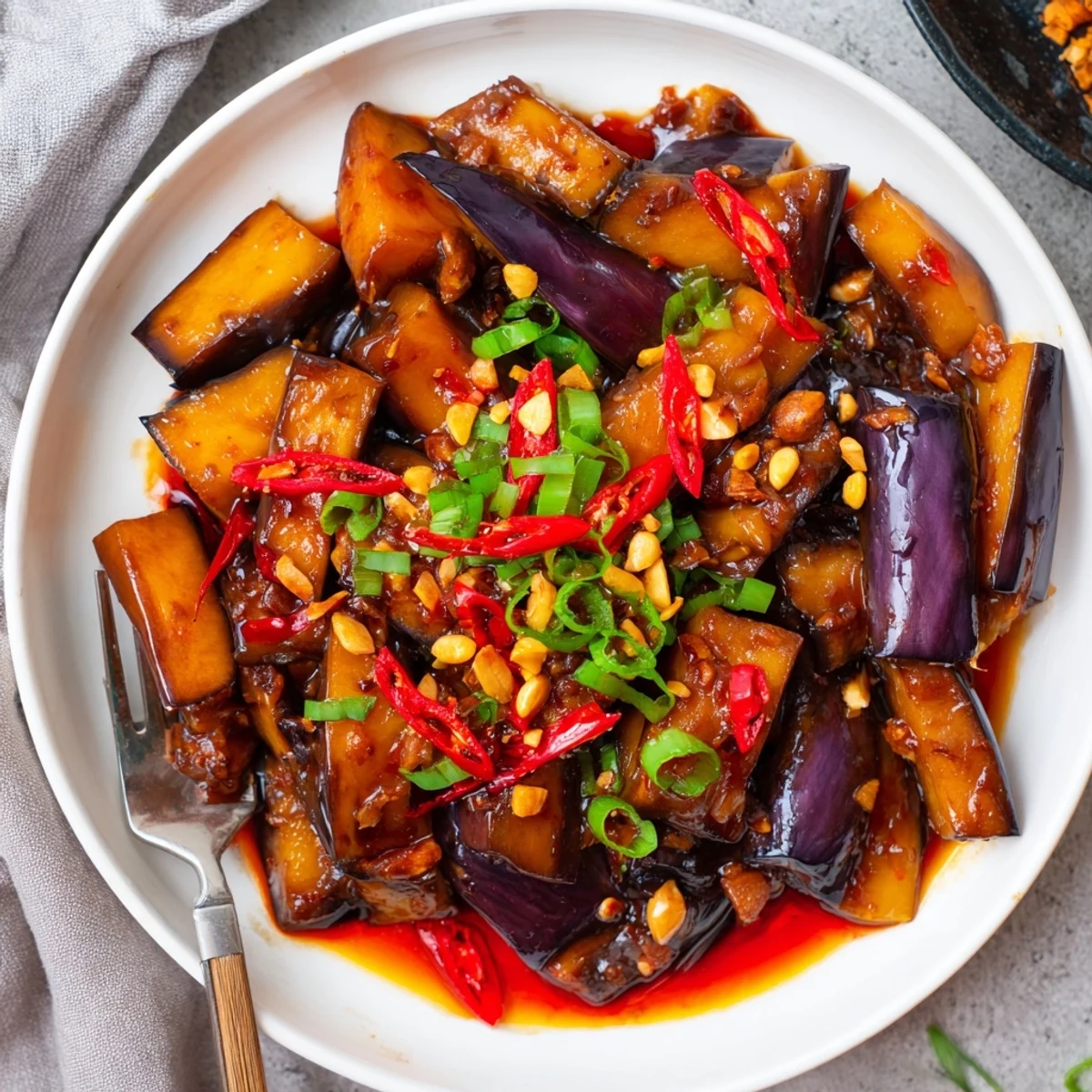
 The most joyful part is scooping this up while it’s piping hot, letting the spice and richness wrap around your rice. Hope you enjoy every saucy bite as much as I do.
Recipe Q&A
- → How do I prevent aubergine from becoming soggy?
-
Salt the cut aubergine for 10 minutes to draw out excess water, then rinse and pat dry. Fry in a hot pan in batches so pieces brown rather than steam, and drain on paper towels to remove excess oil.
- → What can I use instead of doubanjiang?
-
If doubanjiang is unavailable, use a blend of chili-garlic sauce with a touch of fermented bean paste or miso for depth. Expect a different but still savory, spicy result.
- → Can I roast the aubergine instead of frying?
-
Yes — toss batons in oil and roast at 220°C (425°F) until tender and lightly charred, then finish in the sauce to absorb flavors while simmering for a few minutes.
- → How should leftovers be stored and reheated?
-
Keep leftovers refrigerated in an airtight container for up to 3 days. Reheat gently in a skillet with a splash of water or stock to loosen the sauce; microwave works in a pinch but may soften the aubergine further.
- → Is this suitable for a gluten-free diet?
-
Use tamari or a certified gluten-free soy sauce and check the doubanjiang label for gluten. Alternatively, substitute with gluten-free chili paste plus fermented bean paste certified gluten-free.
- → How can I add protein to make it more substantial?
-
Add cubed firm tofu seared until golden or toss in shredded cooked chicken or thinly sliced seitan near the end of simmering to warm through and absorb the sauce.