
 Pin it
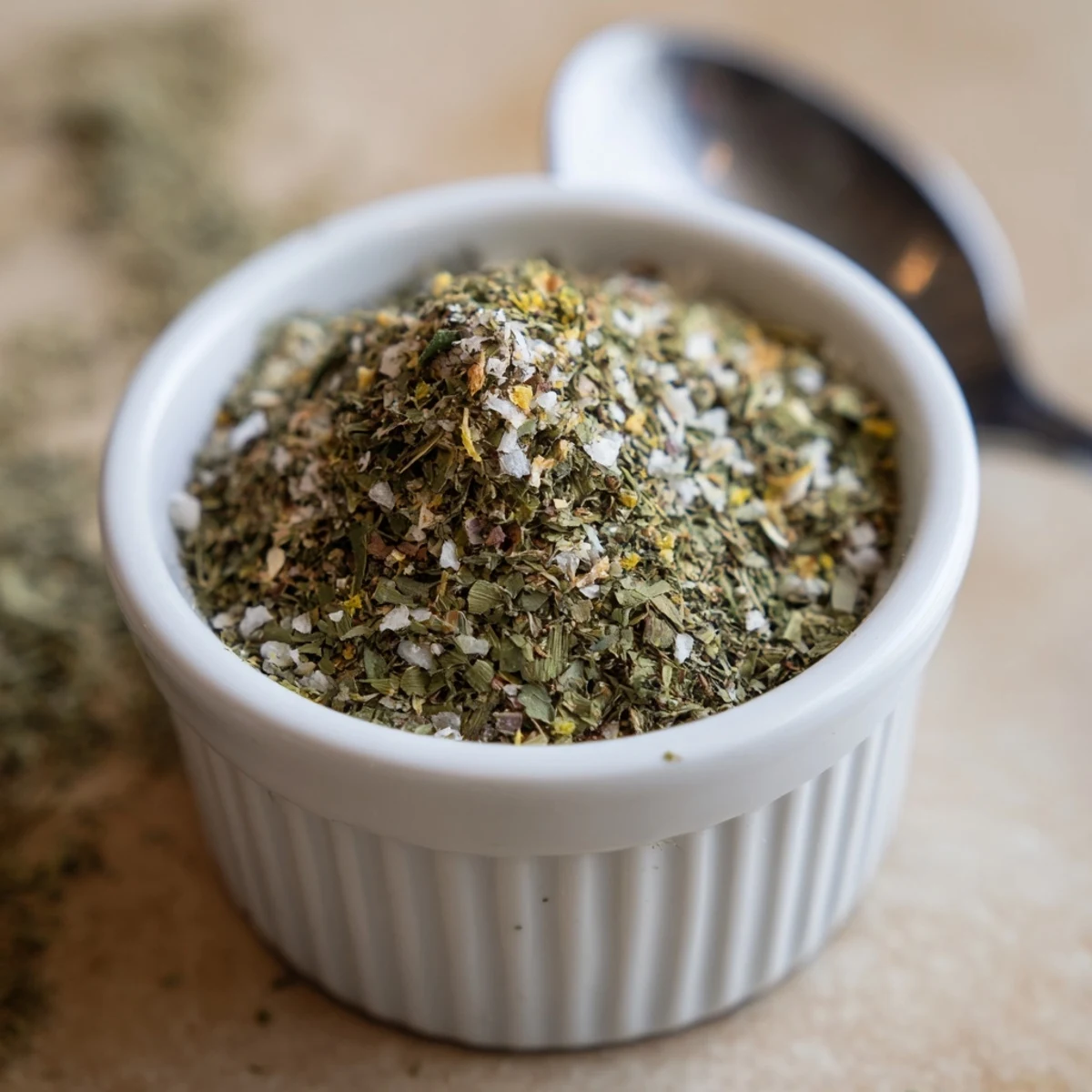
 This dehydrated tzatziki seasoning blends dried dill, mint, parsley, chives, garlic and onion with lemon zest, salt and pepper for a bright Mediterranean flourish. Whisk the dry ingredients until even, store in an airtight jar, and use 1–2 tablespoons stirred into yogurt or sour cream, or sprinkled over roasted vegetables, grilled chicken or seafood. Keeps up to 6 months.
My spice drawer was a disaster the afternoon I knocked three jars into the sink while reaching for dried dill, and that clumsy moment somehow led to one of my most reached for seasonings. I had been trying to recreate the tzatziki from a tiny taverna in Chicago's Greektown, the kind that arrives with a swirl of olive oil and a generosity that makes you mop the plate clean with bread until youre fully embarrassed. Without fresh cucumbers on hand, I started experimenting with dried versions of every herb and aromatic I associate with that cooling, tangy dip. The resulting blend was so good I started shaking it onto everything from roasted potatoes to popcorn.
I brought a jar of this mix to a backyard cookout last summer and handed it to my friend Dave while he was struggling to season a tray of grilled zucchini. He dusted it on skeptically, took one bite, and immediately asked if I could make him a second jar to take home. His wife later told me she caught him eating it sprinkled on buttered toast at midnight, which might be the highest compliment a seasoning blend can receive.
Ingredients
- Dried dill (3 tbsp): The soul of this blend and the one ingredient you should not skimp on, so buy from a source with high turnover for the freshest aroma.
- Dried mint (2 tbsp): Adds a cool brightness that balances the heavier garlic and onion notes beautifully.
- Dried parsley (2 tbsp): A quiet background player that keeps the mix tasting green and fresh rather than flat.
- Dried chives (1 tbsp): Delivers a mild onion sweetness without overpowering the more delicate herbs.
- Dried garlic granules (1 tbsp): Granules work better than powder here because they distribute more evenly and wont clump.
- Dried onion powder (1 tbsp): Rounds out the savory base and pairs with the garlic to create that classic tzatziki depth.
- Sea salt (1 1/2 tsp): Enhances every other flavor in the jar, and you can always adjust later when using the mix.
- Ground black pepper (1 tsp): Use freshly ground if possible because pre ground pepper tastes dull and flattens the whole blend.
- Dried lemon zest or citric acid (1 tsp): This is the tangy spark that makes the mix taste like real tzatziki instead of just a generic herb blend.
- Dried cucumber powder (1/2 tsp, optional): Tracks down the authentic cucumber essence of tzatziki and is worth ordering online if you are a perfectionist.
Instructions
- Gather and measure everything:
- Pull out all your dried herbs and spices, a medium mixing bowl, and a whisk or spoon, then measure each ingredient carefully into the bowl.
- Whisk until fully blended:
- Stir thoroughly for about a minute, breaking up any clumps in the garlic granules or onion powder until the color and texture look uniform throughout.
- Transfer to an airtight jar:
- Pour the finished blend into a clean spice jar or glass container with a tight lid, give it a gentle shake to settle everything, and label it with the date.
- Use it everywhere:
- Stir one to two tablespoons into Greek yogurt with a drizzle of olive oil for instant dip, or shake it over grilled meats, roasted vegetables, and even scrambled eggs.
 Pin it
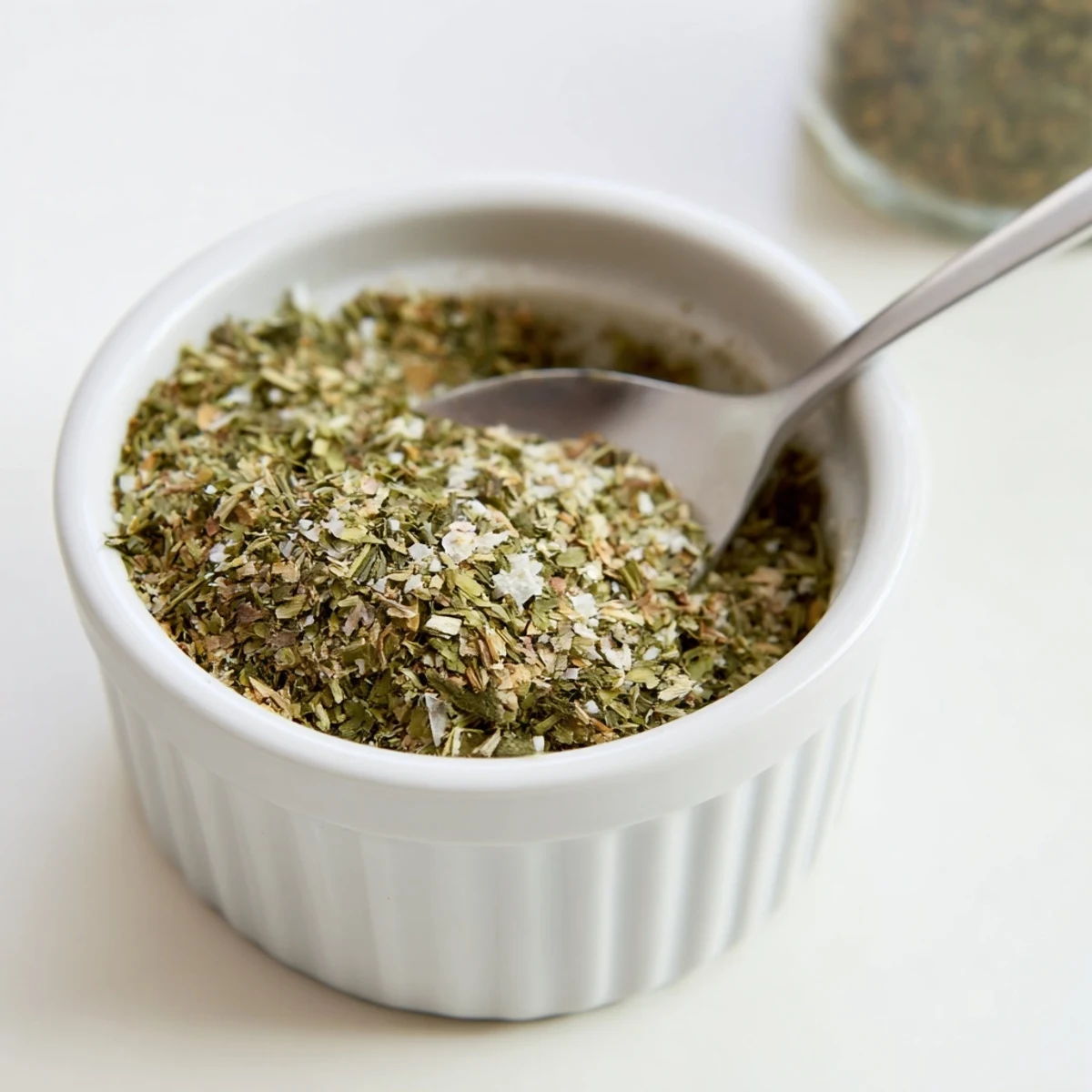
 There is something oddly satisfying about assembling a seasoning blend from scratch, watching individual jars of green flakes and pale powders become one cohesive mix that smells like a meal you have not even started cooking yet. It feels like a small act of self reliance that pays off every single time you reach into the pantry.
What to Pair It With
This mix was practically built for Greek yogurt, but I have also stirred it into hummus with a splash of red wine vinegar for a dressing that rivals anything from a bottle. It plays well with olive oil as a marinade for chicken thighs, and a light dusting over warm pita bread before toasting will make you question why you ever bought pre seasoned anything.
Storing It Right
Keep the jar away from heat and light, which means the stove top and the windowsill above the sink are both bad ideas even if they are convenient. A dark pantry or cabinet is ideal, and every few weeks I give the jar a quick shake to redistribute the ingredients and keep the aroma lively.
Making It Your Own
Once you have the base blend dialed in, start tweaking it to match your own palate and cooking style over time.
- Increase the lemon zest or citric acid if you want a tangier punch that leans more acidic.
- Add a quarter teaspoon of dried oregano for a blend that skews closer to Greek vinaigrette territory.
- Always label the jar with the date and any adjustments you made so you can recreate your favorite version.
 Pin it
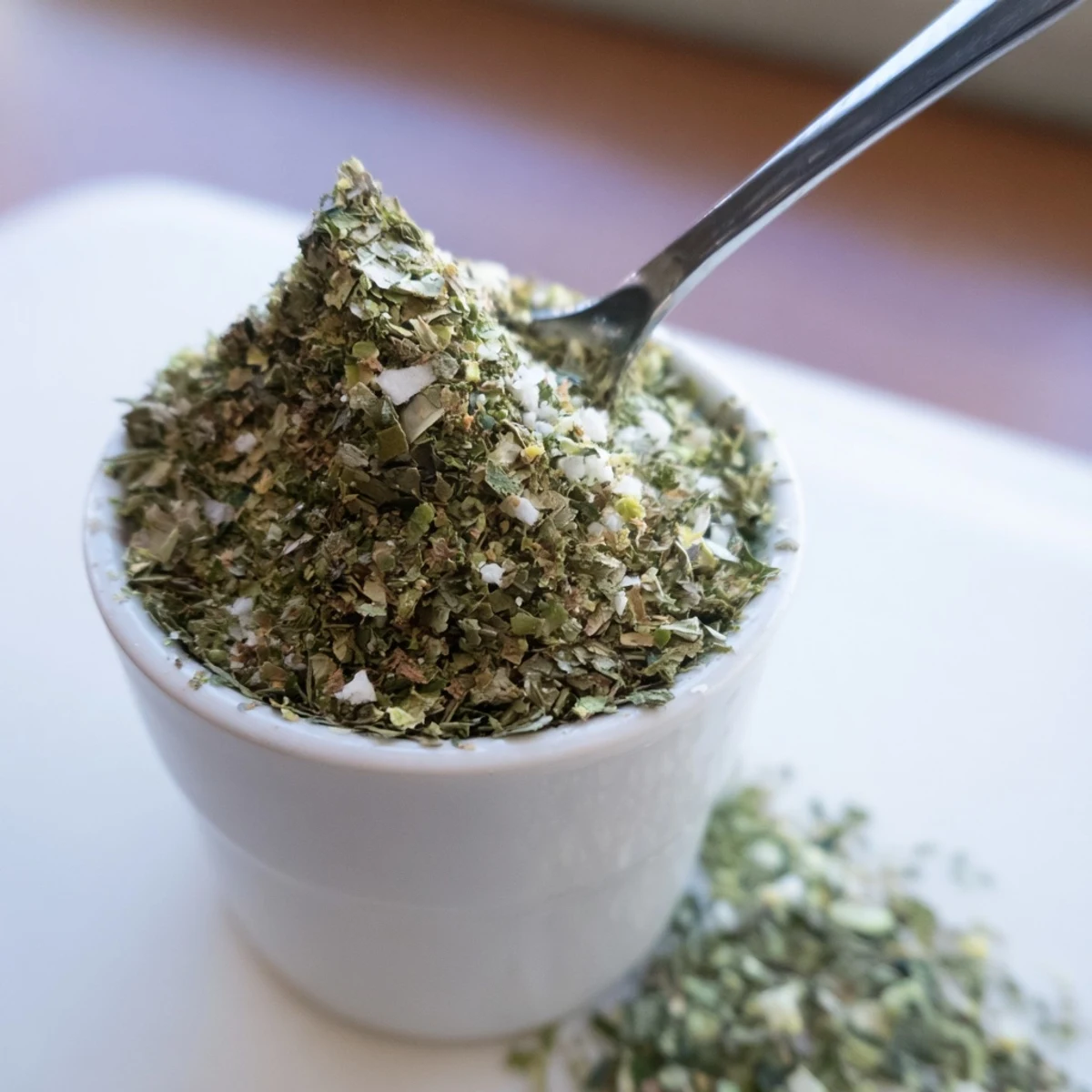
 A jar of homemade seasoning sitting in your pantry is a tiny promise that a good meal is always within reach. Keep it close, shake it often, and trust that everything tastes better with a little Mediterranean sunshine dusted on top.
Recipe Q&A
- → How do I use this seasoning blend?
-
Stir 1–2 tablespoons of the mix into Greek yogurt or sour cream with a splash of olive oil for an instant dip, or sprinkle directly over roasted vegetables, grilled chicken or seafood to finish with bright, herby flavor.
- → Can I add fresh cucumber or herbs when serving?
-
Yes. Fold in grated and well-drained cucumber or a handful of chopped fresh dill/mint after mixing the dry blend into yogurt to add freshness and texture without diluting the seasoning.
- → How should I store the blend and how long does it last?
-
Keep the mix in an airtight container in a cool, dry place away from light. Properly stored, the blend maintains best flavor for up to six months.
- → What can I substitute for dried cucumber powder?
-
If you don't have dried cucumber powder, boost lemon zest or a small pinch of citric acid for tang, and add fresh grated cucumber when serving to approximate the cooling cucumber note.
- → How can I scale the mix for a larger batch?
-
Multiply all measurements evenly and blend thoroughly to ensure uniform distribution of herbs and spices. Use a larger bowl and whisk or pulse briefly in a spice grinder for even mixing.
- → Any tips for using the mix beyond dips?
-
Mix with olive oil and vinegar for a quick salad dressing, sprinkle over hummus, or use as a dry rub for poultry and fish before grilling to impart a Mediterranean herb profile.