
 Pin it
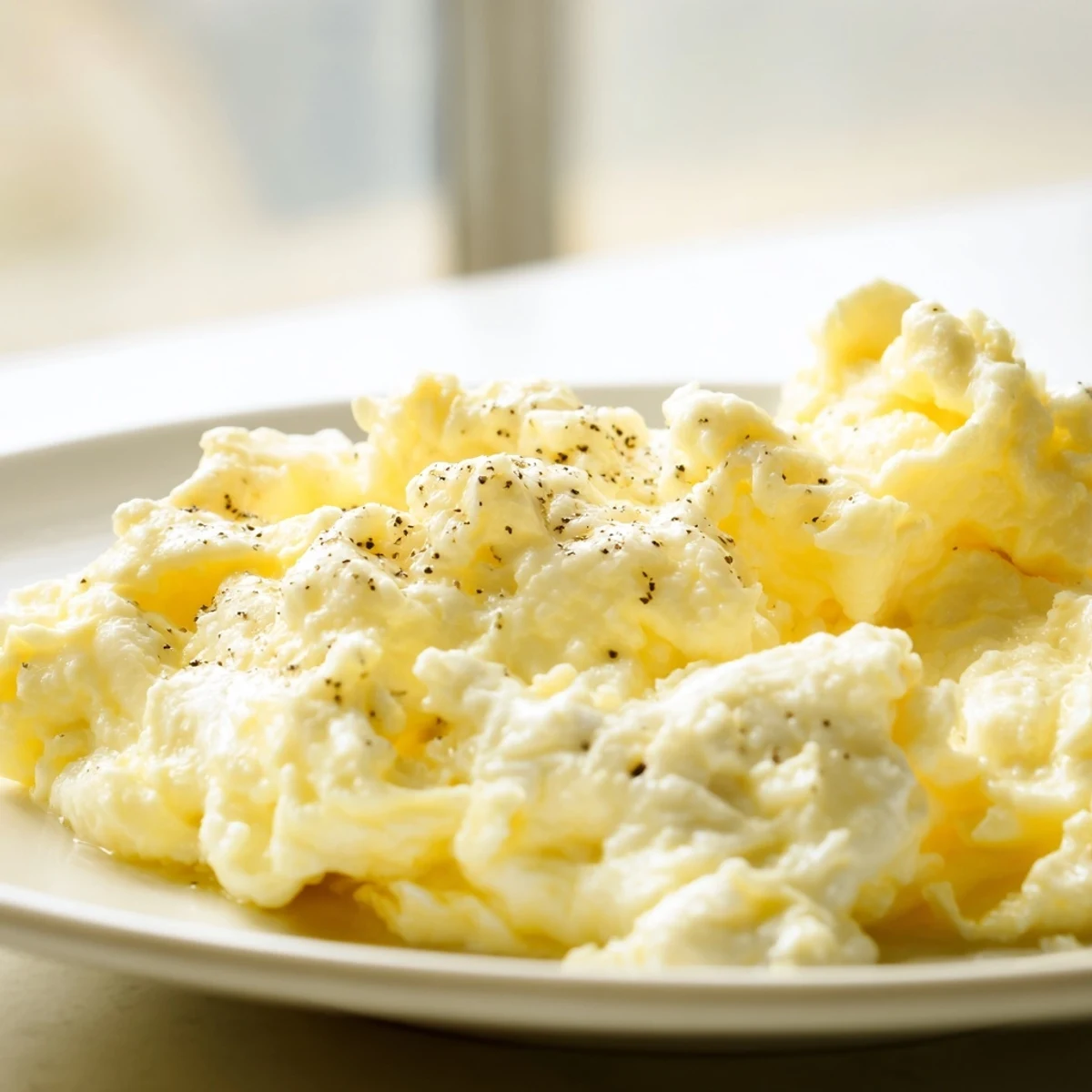
 Master the technique for creating perfectly creamy scrambled eggs with soft, tender curds. The secret lies in gentle heat and patient stirring—cooking over medium-low ensures the eggs remain moist and never rubbery. Whisking in a splash of milk or cream adds richness, while butter provides luxurious flavor. The entire process takes just ten minutes from start to finish, making it ideal for busy mornings yet special enough for weekend brunch. Customize with fresh herbs, grated cheese, or sautéed vegetables to make it your own.
The Sunday morning my college roommate taught me her method changed everything I thought I knew about scrambled eggs. She insisted on low heat and plenty of butter, refusing to rush the process even when we were running late to brunch.
Last winter when my sister came to visit, she watched me make these and asked why they looked so different from hers. We spent the morning testing temperatures and timing, discovering that patience matters more than any secret ingredient.
Ingredients
- 4 large eggs: Room temperature eggs whisk up more easily and cook more evenly than cold ones straight from the fridge
- 2 tbsp whole milk or cream: Cream makes restaurant style richness while milk keeps it lighter for everyday
- 1 tbsp unsalted butter: Unsalted lets you control the seasoning, and this amount creates the perfect silky coating without greasiness
- 1/4 tsp salt: This amount hits the sweet spot for enhancing natural flavor without overwhelming the delicate eggs
- 1/8 tsp freshly ground black pepper: Freshly ground has a brightness that pre ground pepper lost months ago
Instructions
- Whisk your base:
- Crack eggs into a bowl and pour in your milk or cream along with salt and pepper. Whisk vigorously until the mixture turns pale and slightly frothy, incorporating air that helps create fluffy curds.
- Prepare your pan:
- Heat butter in a nonstick skillet over medium low heat until it melts completely and starts to bubble gently. The butter should shimmer but never brown or smoke.
- Start the cooking:
- Pour the egg mixture into the pan and let it sit undisturbed for just a few seconds. Watch for the edges to begin setting while the center remains liquid.
- Create the curds:
- Use a spatula to gently push eggs from the edges toward the center, tilting the pan to let uncooked egg fill the empty spaces. Make slow, deliberate sweeping motions rather than frantic stirring.
- Finish with care:
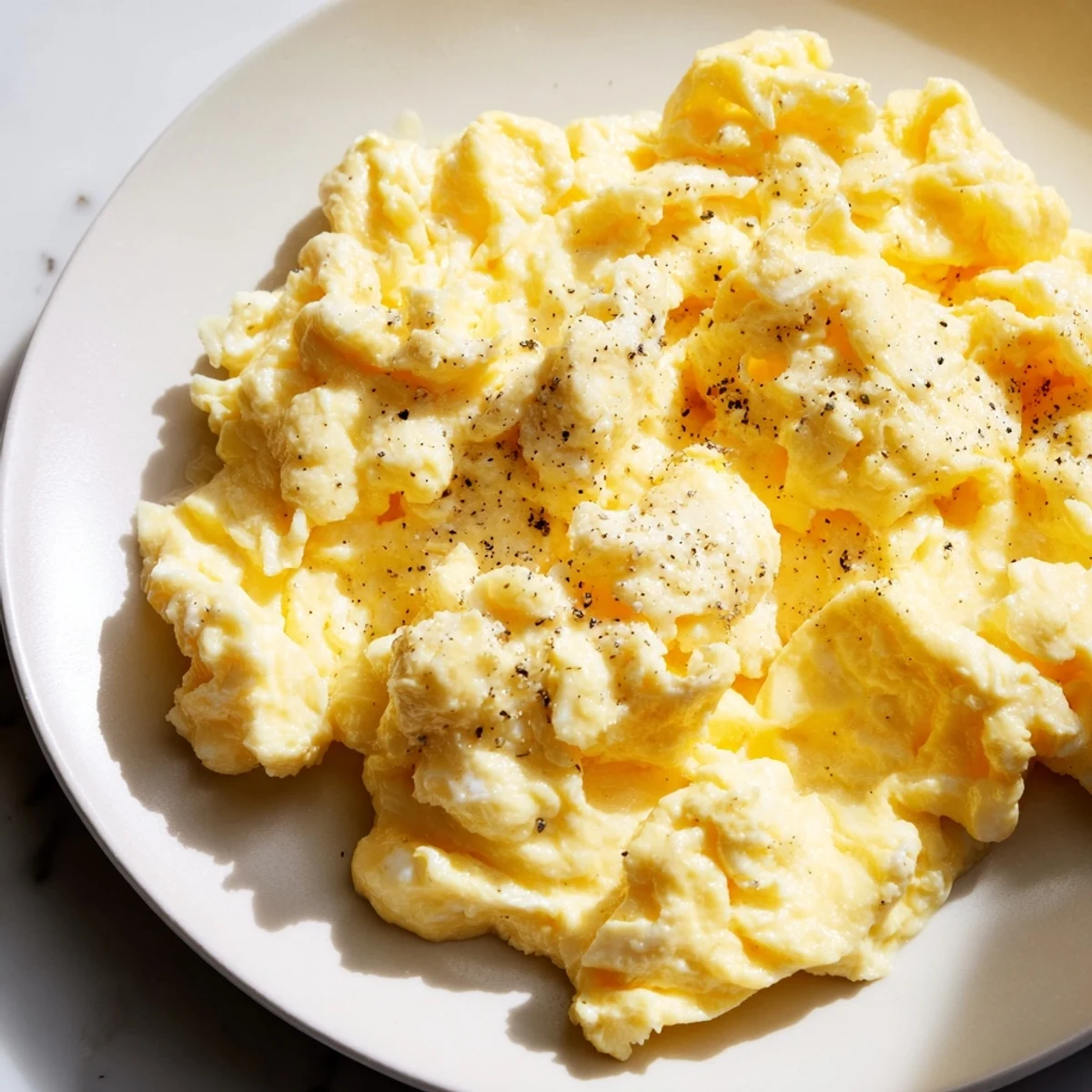
- Continue cooking until the eggs are just set but still look slightly moist and glistening. Remove from heat immediately, as residual heat will complete the cooking.
 Pin it
 My dad still talks about the first time I made these for him during his recovery from surgery. He said something so simple reminded him that food prepared with care has its own kind of healing power.
Choosing Your Dairy
Heavy cream creates those impossibly rich curds you find at upscale brunch spots, while whole milk gives you something closer to home style comfort. Half and half lands perfectly in the middle if you want richness without feeling weighed down afterward.
The Heat Factor
Medium low heat feels agonizingly slow when you are hungry and in a rush, but high heat is why most scrambled eggs turn rubbery. The gentle temperature gives proteins time to set slowly, creating those small tender curds that melt in your mouth.
Perfect Timing Every Time
The trick is learning to recognize when the eggs look slightly too wet in the pan. That moment is actually exactly when you should slide them onto your plate, because they continue cooking from their own heat for another minute or two.
- Toast should go into the toaster before you even crack the first egg
- Warm plates keep the eggs at the perfect temperature longer
- Fresh chives or tarragon folded in at the end make breakfast feel special
 Pin it
 Some of the best mornings start with something this simple done with this much care.
Recipe Q&A
- → Why do my scrambled eggs turn out rubbery?
-
Rubbery eggs typically result from cooking over too high heat or cooking them too long. Medium-low heat and gentle, frequent stirring keep the curds soft and creamy. Remove from heat while they still look slightly undercooked—they'll continue cooking from residual heat.
- → Should I use milk or cream in scrambled eggs?
-
Both work beautifully—cream creates richer, more decadent eggs while milk offers a lighter touch. The liquid adds moisture and helps create fluffy curds. For the creamiest results, use whole milk or heavy cream.
- → What's the best pan for making scrambled eggs?
-
A nonstick skillet is ideal as it requires minimal butter and prevents sticking. If using stainless steel, ensure the pan is well-heated and buttered before adding eggs. Cast iron works but may need extra fat to prevent sticking.
- → Can I make scrambled eggs ahead of time?
-
Scrambled eggs are best enjoyed immediately after cooking for the creamiest texture. However, you can whisk the eggs with milk and seasonings up to a day ahead and store in the refrigerator. Cook just before serving for optimal results.
- → How do I tell when scrambled eggs are done?
-
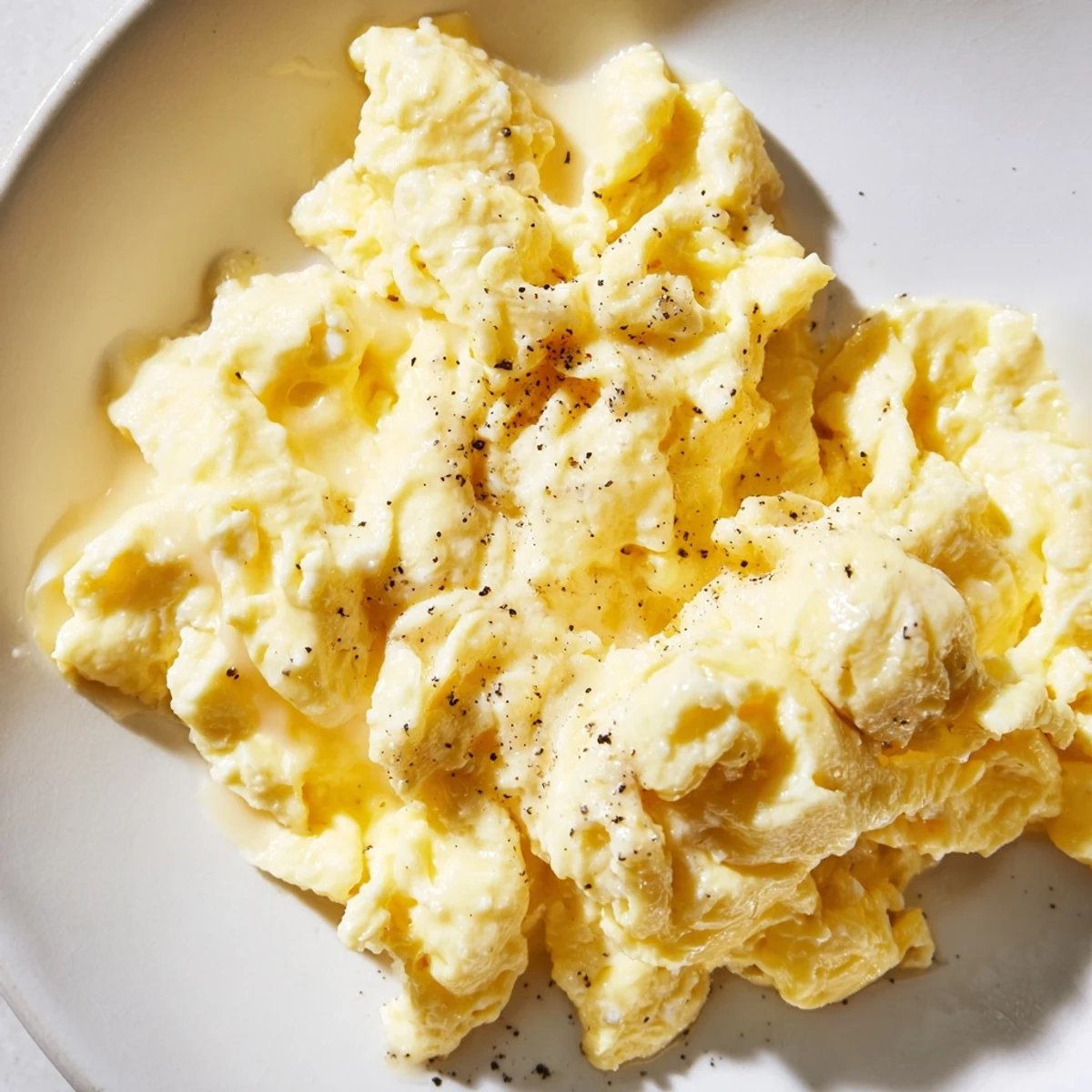
The eggs are done when they're set but still slightly glossy and moist-looking. They should hold soft curds, not be dry or crumbly. Remember, they'll continue cooking briefly after leaving the heat, so remove them slightly earlier than you think.
- → What additions can I customize my scrambled eggs with?
-
Fresh herbs like chives, parsley, or dill add brightness. Grated cheddar, goat cheese, or fold in beautifully. Sautéed onions, bell peppers, mushrooms, or spinach create hearty variations. Add these during the last minute of cooking for best texture.